That headline is likely promoting a home remedy and overstates the results. An evening foot soak can be relaxing and may temporarily ease discomfort, but it is not a cure for foot cramps, tingling, pain, or swelling—especially if those symptoms have an underlying medical cause.
🦶 A simple evening foot soak
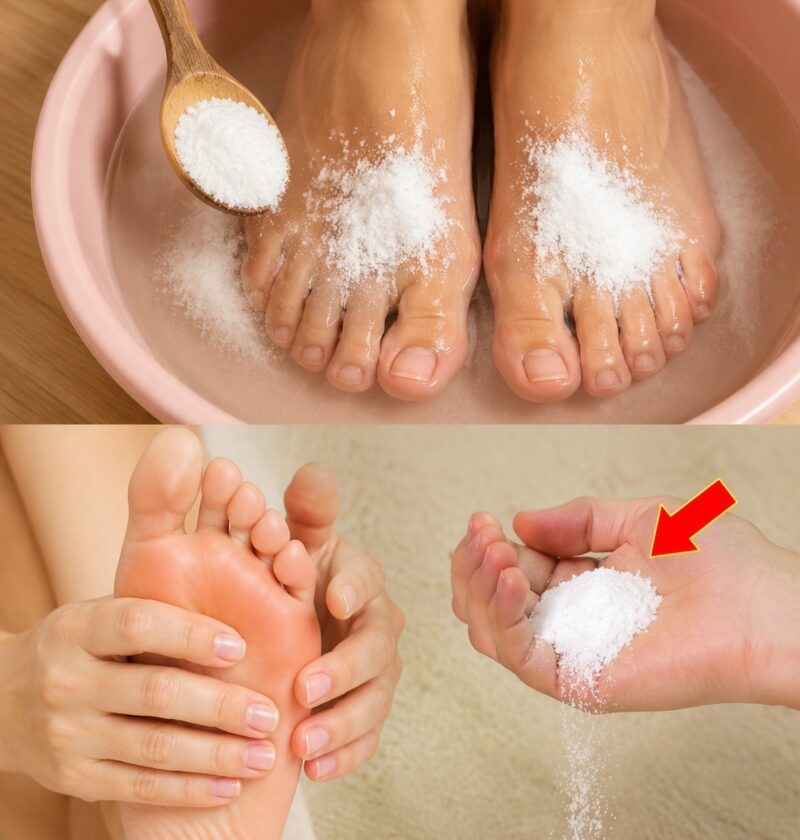
A basic soak many people find soothing:
- Fill a basin with comfortably warm (not hot) water.
- Soak your feet for 10–20 minutes.
- Dry thoroughly, especially between the toes.
- Apply moisturizer if your skin is dry.
Some people add:
- Epsom salt (Epsom salt)
- A few drops of fragrance-free bath oil
While Epsom salt is popular, evidence that magnesium is absorbed through the skin in meaningful amounts is limited.
What a foot soak may help with
- Temporary muscle relaxation
- Mild soreness after standing or walking
- Stress relief and comfort
- Softening dry skin
Symptoms that may need more than a soak
Foot cramps
Can be related to:
- muscle fatigue
- dehydration
- medication side effects
- electrolyte imbalances
Tingling or numbness
May be associated with:
- nerve compression
- diabetes
- vitamin deficiencies
- circulation problems
Swelling
Can result from:
- prolonged standing
- heat
- venous insufficiency
- heart, kidney, or liver conditions
When to seek medical advice
Talk to a healthcare professional if you have:
- persistent or worsening swelling
- one-sided swelling
- significant numbness or weakness
- severe pain
- symptoms that keep recurring
Bottom line
A warm foot soak can be a pleasant way to relax and may provide temporary relief for tired feet, but claims that it will eliminate cramps, tingling, pain, and swelling are exaggerated. If those symptoms are frequent or persistent, it’s important to look for the underlying cause rather than relying on a soak alone.