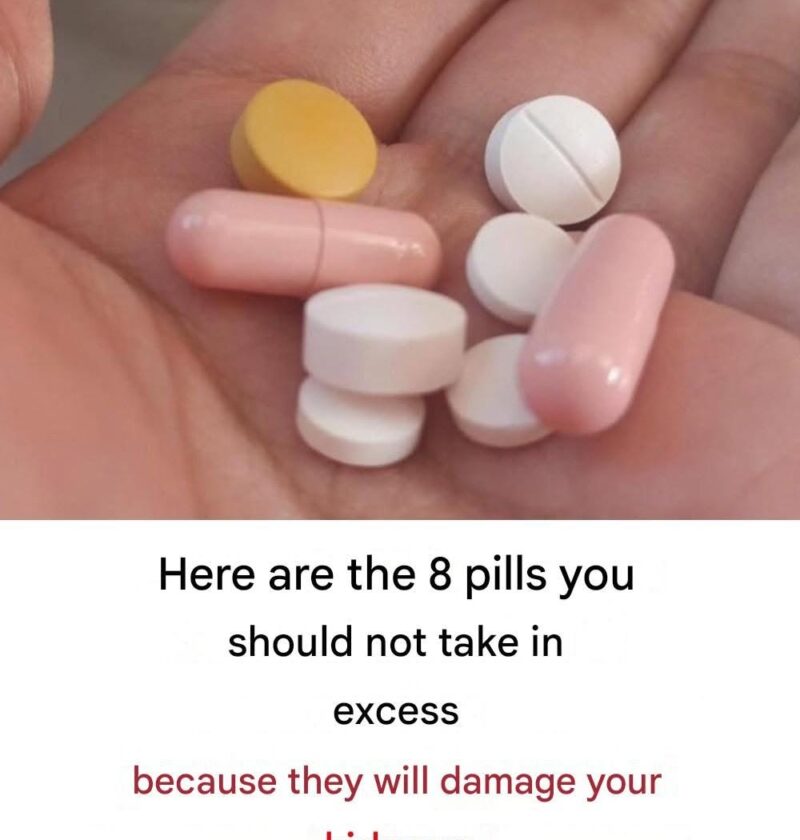
Here are eight types of medicines that can potentially harm the kidneys in some situations:
1. Non-steroidal anti-inflammatory drugs (NSAIDs)
Examples:
- Ibuprofen
- Naproxen
- Diclofenac
Risk: These can reduce blood flow to the kidneys and may cause kidney injury, particularly with high doses, long-term use, dehydration, or existing kidney problems.
2. Certain antibiotics
Examples:
- Aminoglycosides (such as gentamicin)
- Some other antibiotics in specific circumstances
Risk: Some can be toxic to kidney cells, especially at high doses or in vulnerable patients.
3. Some blood pressure medicines (in certain situations)
Examples:
- ACE inhibitors
- ARBs
Risk: These medicines are often kidney-protective in conditions like diabetes-related kidney disease, but kidney function and potassium levels may need monitoring, especially when starting treatment or during illness.
4. Diuretics (“water pills”)
Examples:
- Furosemide
- Hydrochlorothiazide
Risk: They can contribute to dehydration or electrolyte changes, which may affect kidney function if not properly managed.
5. Certain acid-reducing medicines
Examples:
- Proton pump inhibitors (PPIs), such as omeprazole
Risk: Long-term use has been associated with rare kidney inflammation in some people.
6. Lithium
Risk: Long-term use can affect kidney function and requires regular monitoring.
7. Some chemotherapy and immune-suppressing medicines
Risk: Certain drugs used for cancer or autoimmune conditions can be harmful to kidneys and require careful monitoring.
8. High-dose supplements or herbal products
Examples:
- Some high-dose vitamin supplements
- Unregulated herbal remedies
Risk: Some may contain substances that stress the kidneys or interact with medicines.
Protecting your kidneys
- Avoid taking painkillers regularly without medical advice.
- Stay hydrated, especially during illness or hot weather.
- Tell healthcare professionals about all medicines and supplements you take.
- Do not stop prescribed medicines suddenly without speaking to your doctor.
A medicine being on this list does not mean it should never be taken—many are important and beneficial when used appropriately. The risk depends on the drug, dose, duration, and your individual health.