8 Warning Signs of Stroke That May Appear Before It—and 9 Ways to Help Prevent It
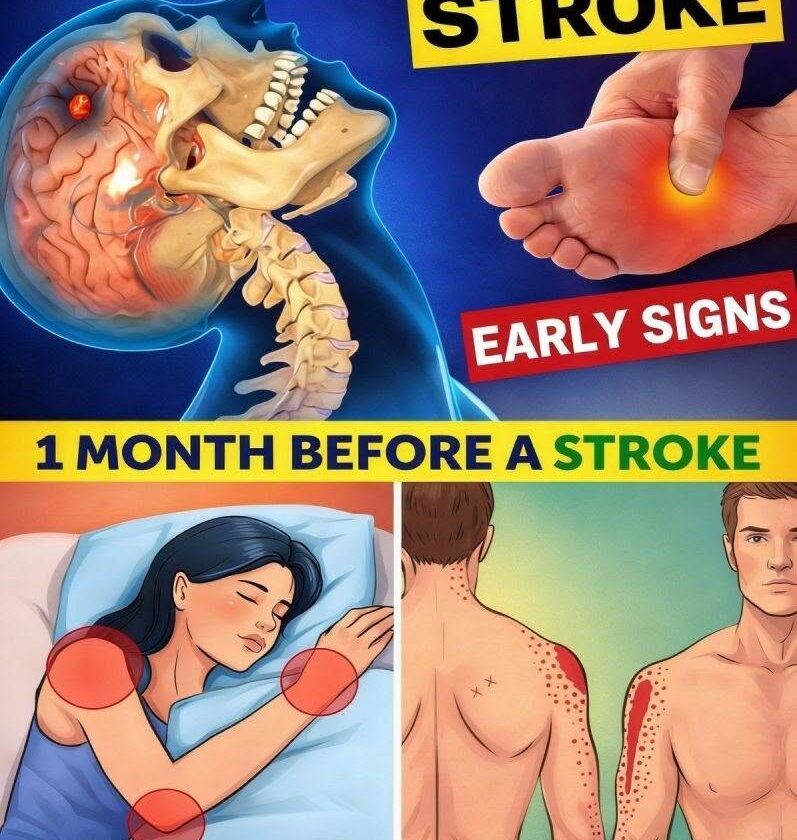
The claim that a stroke always causes warning signs one month before it happens is not accurate. Many strokes occur without any advance symptoms. However, some people experience a transient ischaemic attack (TIA), often called a “mini-stroke,” days or weeks beforehand. A TIA is a medical emergency because it can be a warning that a full stroke may follow.
8 Possible Warning Signs
1. Sudden Weakness or Numbness
Weakness or numbness in the face, arm, or leg, especially on one side of the body, is one of the most common signs of a stroke or TIA.
2. Difficulty Speaking
Watch for:
- Slurred speech
- Trouble finding words
- Difficulty understanding others
- Sudden confusion
3. Facial Drooping
If one side of the face droops or feels numb, seek emergency medical attention immediately.
4. Vision Changes
A stroke or TIA can cause:
- Blurred vision
- Double vision
- Sudden loss of vision in one or both eyes
5. Loss of Balance or Coordination
Sudden dizziness, trouble walking, or poor coordination may indicate a problem with blood flow to the brain.
6. Severe, Sudden Headache
A sudden, intense headache with no obvious cause—particularly if accompanied by other neurological symptoms—may be a sign of a stroke, especially a bleeding stroke.
7. Temporary Stroke-Like Symptoms (TIA)
A TIA may cause symptoms that last only a few minutes or hours, including:
- Temporary weakness
- Numbness
- Speech problems
- Vision changes
Even if the symptoms disappear completely, seek emergency medical care immediately.
8. Sudden Confusion or Difficulty Swallowing
Some people experience sudden confusion, trouble understanding others, or difficulty swallowing before or during a stroke.
Remember the FAST Test
If you think someone is having a stroke:
- F – Face: Ask them to smile. Does one side droop?
- A – Arms: Ask them to raise both arms. Does one arm drift downward?
- S – Speech: Is their speech slurred or difficult to understand?
- T – Time: Call your local emergency services immediately. Rapid treatment can save brain tissue and improve recovery.
9 Tips to Help Prevent a Stroke
1. Control High Blood Pressure
High blood pressure is the leading modifiable risk factor for stroke. Check it regularly and follow your treatment plan if prescribed.
2. Manage Diabetes
Keeping blood sugar within your target range helps reduce damage to blood vessels.
3. Lower High Cholesterol
Eat a heart-healthy diet and take cholesterol-lowering medication if your healthcare provider recommends it.
4. Don’t Smoke
Smoking damages blood vessels and greatly increases stroke risk. Quitting provides benefits at any age.
5. Stay Physically Active
Aim for at least 150 minutes of moderate-intensity exercise each week, or as advised by your healthcare provider.
6. Eat a Healthy Diet
Focus on:
- Fruits and vegetables
- Whole grains
- Beans and legumes
- Lean proteins
- Healthy fats such as olive oil and oily fish
Limit foods high in salt, added sugar, and saturated fat.
7. Maintain a Healthy Weight
Achieving and maintaining a healthy weight can improve blood pressure, cholesterol, and blood sugar levels.
8. Limit Alcohol
If you drink alcohol, do so in moderation according to your country’s health guidelines.
9. Manage Conditions Such as Atrial Fibrillation
An irregular heartbeat (atrial fibrillation) can increase the risk of stroke. Appropriate treatment can significantly lower that risk.