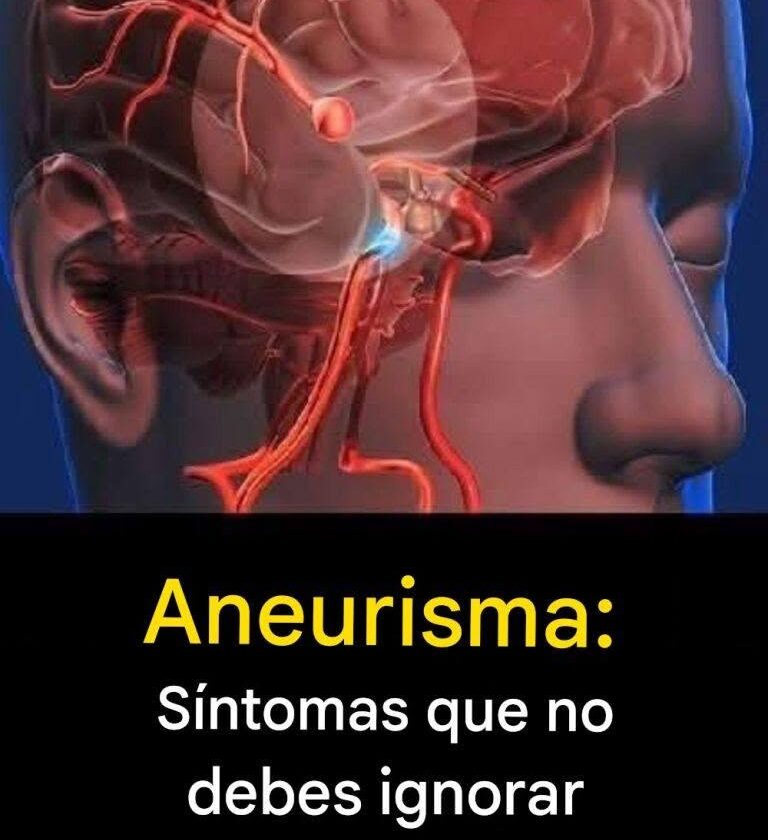
An aneurysm is a weakened area in the wall of a blood vessel that causes it to bulge. Some aneurysms cause no symptoms and are found by chance, but others can become life-threatening if they rupture.
Signs of an aneurysm you shouldn’t ignore
1. Sudden, severe “worst headache of your life”
Possible concern: Brain (cerebral) aneurysm rupture
A sudden explosive headache, especially with:
- Neck stiffness
- Nausea or vomiting
- Sensitivity to light
- Confusion
- Loss of consciousness
requires emergency medical attention.
2. New weakness, numbness, or trouble speaking
Possible signs of bleeding or pressure affecting the brain:
- Weakness on one side of the body
- Facial drooping
- Difficulty speaking or understanding speech
- Sudden vision changes
3. Severe chest or back pain
Possible concern: Aortic aneurysm (a weakened area in the body’s main artery)
Warning signs may include:
- Sudden tearing or ripping pain in the chest, back, or abdomen
- Fainting
- Shortness of breath
- A feeling of extreme weakness
4. A pulsing feeling or lump in the abdomen
Some abdominal aortic aneurysms may cause:
- A noticeable pulsing sensation near the belly button
- Deep abdominal or back discomfort
5. Pain, swelling, or circulation changes in a limb
Rarely, an aneurysm can affect blood flow and cause:
- Pain
- Coldness
- Color changes
- Numbness
Risk factors that increase aneurysm risk
- High blood pressure
- Smoking
- Older age
- Family history of aneurysm
- Certain inherited conditions affecting connective tissue
- Atherosclerosis (hardening of arteries)
When to seek urgent help
Call emergency services for:
- Sudden severe headache
- Sudden chest/back/abdominal pain
- Fainting
- New stroke-like symptoms (face drooping, arm weakness, speech trouble)