Medications and Blood Clot Risk: What You Should Know About Safety, Symptoms, and Prevention
Source: FDA drug safety communications, NHS (UK), World Health Organization (WHO)
Introduction: Can Medicines Cause Blood Clots or Heart Problems?
Some medications are associated with a small increased risk of blood clots or cardiovascular events in certain individuals, especially when combined with other risk factors such as smoking, obesity, prolonged immobility, or underlying health conditions.
However, it is important to understand:
- Most medications are prescribed because their benefits outweigh risks
- Not everyone experiences side effects
- Risk varies depending on dose, duration, and personal health history
How Blood Clots Develop in the Body
Thrombosis
Blood clots form when:
- Blood flow slows down
- Blood becomes more likely to clot
- Blood vessels are damaged
If a clot travels to the heart or lungs, it can become life-threatening.
Medications That May Be Linked to Increased Clot Risk (In Specific Cases)
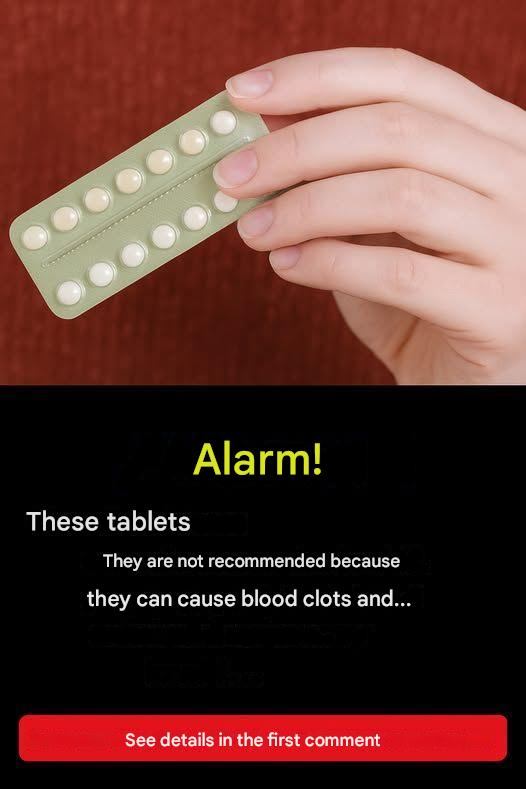
1. Hormonal Birth Control Pills
Some estrogen-containing contraceptives may slightly increase clot risk in certain women.
Possible risk factors:
- Smoking
- Age over 35
- Obesity
- Family history of clots
2. Hormone Replacement Therapy (HRT)
Used in menopause treatment, some forms may increase clot risk in susceptible individuals.
3. Certain Cancer Treatments
Some chemotherapy drugs can increase clotting tendency due to effects on blood and circulation.
4. Immobility-Related Medications (Indirect Risk)
Sedating medications (like strong painkillers or sedatives) may increase clot risk indirectly by causing reduced movement.
5. Some Antipsychotic Medications
Certain psychiatric medications have been linked in studies to a slightly increased risk of venous clotting in some patients.
Important Medical Reality Check
These medications:
- Do NOT automatically cause clots in most users
- Are prescribed because they treat serious conditions
- Have risk levels that vary widely by individual
Doctors carefully evaluate risk before prescribing them.
Warning Signs of a Possible Blood Clot
Seek immediate medical help if you notice:
In the leg (possible deep vein clot):
- Swelling in one leg
- Pain or tenderness
- Warmth or redness
In the lungs (emergency):
- Sudden shortness of breath
- Chest pain
- Coughing blood
- Rapid heartbeat
How Doctors Reduce Clot Risk
Doctors may:
- Adjust medication type or dose
- Recommend blood-thinning medication in high-risk patients
- Encourage movement and hydration
- Monitor high-risk individuals closely
Who Is at Higher Risk?
- Older adults
- Smokers
- People with obesity
- Individuals with prior clot history
- People who are immobile for long periods
How to Lower Your Risk Naturally
- Stay physically active
- Avoid long periods of sitting
- Drink enough water
- Maintain a healthy weight
- Follow prescription instructions carefully
Final Thoughts: Don’t Panic—Understand the Real Risk
While some medications may be associated with a slightly increased risk of blood clots in certain people, these risks are generally low and carefully managed by doctors.
The key is awareness, not fear—and always taking medications under medical supervision.
PART 2: Simple Guide
Medications Sometimes Linked to Clot Risk (Context Needed)
- Hormonal contraceptives
- Hormone replacement therapy
- Some cancer drugs
- Certain antipsychotics
- Sedating medications (indirect risk)
Emergency Symptoms
- One-leg swelling and pain
- Chest pain
- Sudden breathlessness
Key Reminder
- Risk depends on the person, not just the drug
- Never stop medication without a doctor
If you want, I can also turn this into:
- A viral SEO blog (“blood clot warning signs explained safely”)
- A YouTube script (doctor clarifying myths vs facts)
- Or a comparison article: safe vs risky medications for circulation health