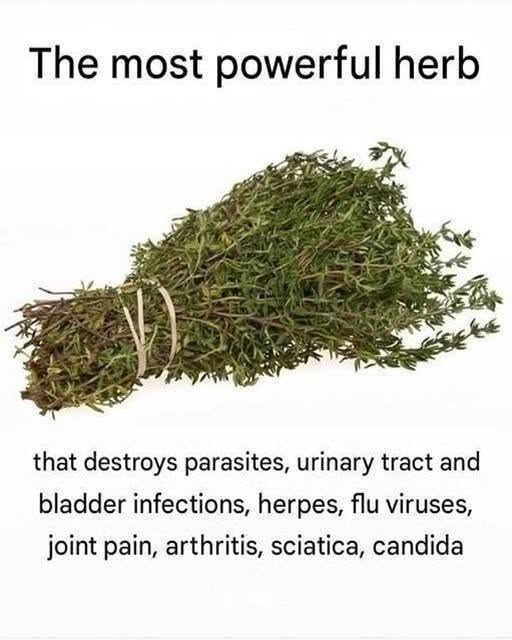
Claims that a single “most potent herb” can destroy parasites, cure urinary tract infections (UTIs), or eliminate infections are usually exaggerated. While some herbs contain compounds that have been studied in laboratories, herbs are not proven replacements for proper diagnosis and treatment, especially for infections.
Herbs commonly discussed for these purposes
- Garlic: Contains compounds such as allicin that show antimicrobial activity in laboratory studies. Eating garlic may be part of a healthy diet, but it is not a proven treatment for parasites or UTIs.
- Cranberry: Some evidence suggests cranberry products may help reduce the risk of recurrent UTIs in certain people, but they do not reliably treat an active infection.
- Goldenseal (berberine-containing herbs): Berberine has antimicrobial effects in studies, but safety, dosing, and effectiveness for infections vary.
- Wormwood and other “parasite cleanse” herbs: These are often marketed for parasites, but evidence for routine parasite removal is limited, and some can be harmful if misused.
Important: UTIs and parasites need the right treatment
- UTIs are often caused by bacteria and may require antibiotics, especially if symptoms are significant or the infection is spreading.
- Parasite infections vary widely and require treatments targeted to the specific organism.
Seek medical advice if you have:
- Burning or pain when urinating.
- Fever, chills, or back/flank pain.
- Blood in urine.
- Persistent diarrhea, unexplained weight loss, or suspected parasite exposure.
- Symptoms during pregnancy or in older adults.
Herbs may have a role in general wellness, but there is no reliable evidence that one herb can “destroy parasites and urinary tract infections” in the way viral health claims often suggest.