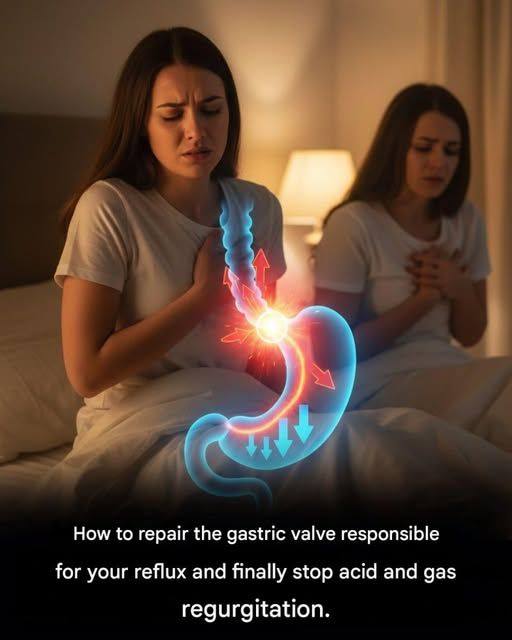
🧠 What causes reflux?
The condition is commonly called Gastroesophageal reflux disease (GERD).
It happens when:
- The LES doesn’t close properly
- Stomach acid flows back into the esophagus
- Pressure in the abdomen increases
🥼 How to improve LES function and reduce reflux
🍽️ 1. Change eating habits
- Eat smaller meals (large meals increase stomach pressure)
- Avoid lying down for 2–3 hours after eating
- Eat slowly and chew well
🚫 2. Avoid common trigger foods
These can relax the LES or increase acid:
- Fatty or fried foods
- Chocolate
- Coffee and caffeine
- Spicy foods
- Carbonated drinks
- Alcohol
⚖️ 3. Maintain a healthy weight
Extra abdominal fat increases pressure on the stomach, making reflux worse.
Even modest weight loss can significantly reduce symptoms.
🛏️ 4. Adjust sleeping position
- Elevate the head of the bed 6–8 inches
- Sleeping on the left side may reduce reflux episodes
👕 5. Avoid tight clothing
Tight belts or waistbands increase stomach pressure and worsen regurgitation.
💊 6. Medical treatments (if needed)
Doctors may recommend:
- Antacids (quick relief)
- H2 blockers
- Proton pump inhibitors (reduce acid production)
These do not “fix” the sphincter but help control symptoms while lifestyle changes work.
🧘 7. Reduce pressure triggers
- Avoid heavy lifting right after eating
- Manage chronic cough or constipation
- Limit late-night snacking
⚠️ Important truth
- The LES usually does not need “repair”
- It is managed, not rebuilt in most cases
- Severe cases may require medical procedures, but that is rare
🚨 When to see a doctor
Seek evaluation if you have:
- Frequent reflux (several times per week)
- Difficulty swallowing
- Chest pain
- Weight loss without trying
- Persistent symptoms despite lifestyle changes