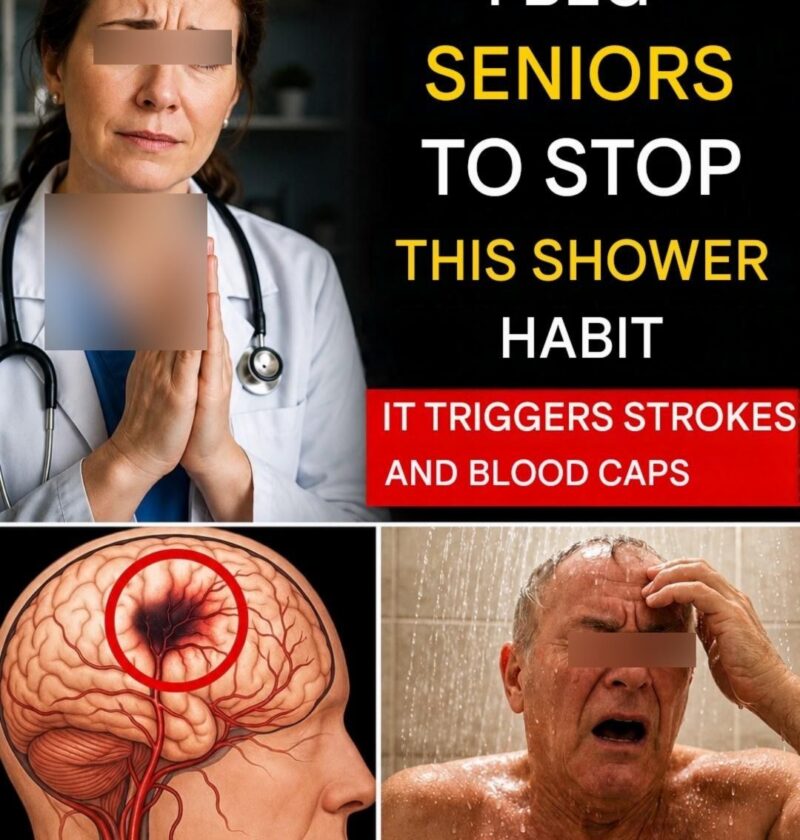
That headline is almost certainly clickbait.
There is no credible medical evidence that a normal “shower habit” by itself causes strokes overnight in the general population. Stroke risk is driven by things like long-term high blood pressure, diabetes, smoking, heart disease, high cholesterol, and age—not routine bathing behavior.
What is sometimes discussed in medicine is a narrower point:
Hot or cold exposure (including showers) can cause temporary changes in blood pressure and heart rate. In rare cases, sudden extremes may:
- briefly raise blood pressure (very hot showers/steam)
- cause dizziness or fainting in older adults
- slightly stress the cardiovascular system in people who already have serious heart or vessel disease
But that is very different from “a shower habit increases stroke risk overnight.” For most people, showers are safe and not a stroke trigger.
Where the misunderstanding comes from
Some articles exaggerate legitimate medical ideas:
- Stroke risk is higher in the early morning hours (natural blood pressure rhythm)
- Sudden strain or extreme temperature changes can trigger events in high-risk patients
- But these are background risk factors, not everyday shower routines
Practical, sensible advice (especially for seniors)
- Avoid very hot or very cold showers if you have uncontrolled blood pressure or heart disease
- Stand up slowly after bathing (to prevent dizziness/falls)
- Keep bathrooms well-ventilated and not overly steamy
- If you’ve had fainting, TIAs, or heart issues, ask a doctor about safe temperature ranges
If you want, you can share the exact article or claim you saw—I can break down what parts are true, exaggerated, or misleading.