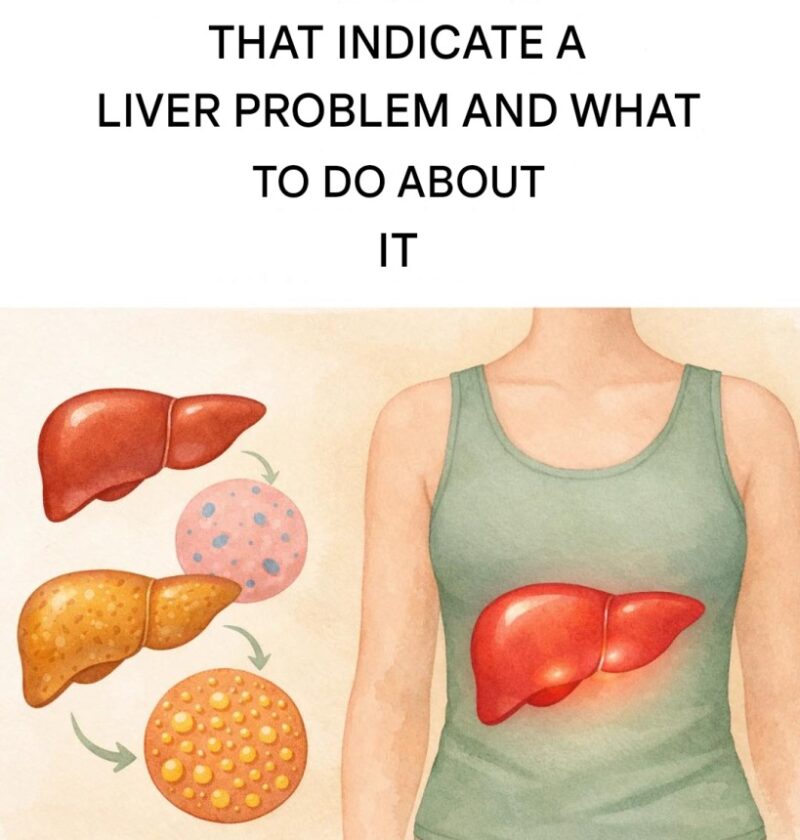
Here are 8 common symptoms that can indicate a liver problem, how to recognize them, and what you should do next. Keep in mind that liver issues can range from mild inflammation to serious conditions like hepatitis or cirrhosis, so symptoms often overlap.
1. Yellowing of skin or eyes (Jaundice)
This is one of the most recognizable signs. The skin or whites of the eyes turn yellow due to a buildup of bilirubin, which the liver normally processes.
What to do:
This needs medical evaluation soon. A doctor may order liver function tests and imaging.
2. Persistent fatigue or weakness
A struggling liver affects metabolism and toxin removal, leading to constant tiredness even after rest.
What to do:
Don’t ignore long-term fatigue, especially if it comes with other symptoms like nausea or appetite loss.
3. Abdominal pain or swelling (especially upper right side)
Pain or discomfort under the right ribs can indicate inflammation or enlargement of the liver.
What to do:
Get checked if pain is persistent or worsening, especially with bloating or fever.
4. Dark urine
Urine may become dark brown or tea-colored due to excess bilirubin being excreted by the kidneys.
What to do:
Hydration alone won’t fix this—medical testing is needed.
5. Pale or clay-colored stool
If bile flow is blocked or reduced, stool may lose its normal brown color.
What to do:
This can indicate bile duct or liver issues—seek medical advice promptly.
6. Nausea or loss of appetite
A damaged liver can affect digestion and cause ongoing nausea, food aversion, or unexplained weight loss.
What to do:
If it lasts more than a few days or worsens, consult a healthcare provider.
7. Swelling in legs or abdomen (edema or ascites)
Fluid buildup can occur when the liver fails to produce enough proteins or manage fluid balance.
What to do:
This is a more advanced warning sign and should be evaluated urgently.
8. Easy bruising or bleeding
The liver produces proteins needed for blood clotting. When it’s impaired, bruises appear easily or bleeding takes longer to stop.
What to do:
This is a significant warning sign and should not be ignored.
What you should do overall
If you notice one mild symptom, monitor it and consider lifestyle changes. But if you have two or more symptoms, or any severe signs (like jaundice, swelling, or dark urine), you should:
- See a doctor (preferably a gastroenterologist or hepatologist)
- Get liver function tests (LFTs)
- Possibly get an ultrasound or hepatitis screening
- Avoid alcohol completely
- Avoid unnecessary medications (especially painkillers like excessive paracetamol)
Important note
These symptoms are associated with conditions under the broader category of Liver disease, but they can also overlap with other illnesses. Only proper testing can confirm the cause.
If you want, I can also explain:
- Early vs late-stage liver disease signs
- Fatty liver symptoms specifically
- Or a diet plan that supports liver health in Pakistan-friendly foods