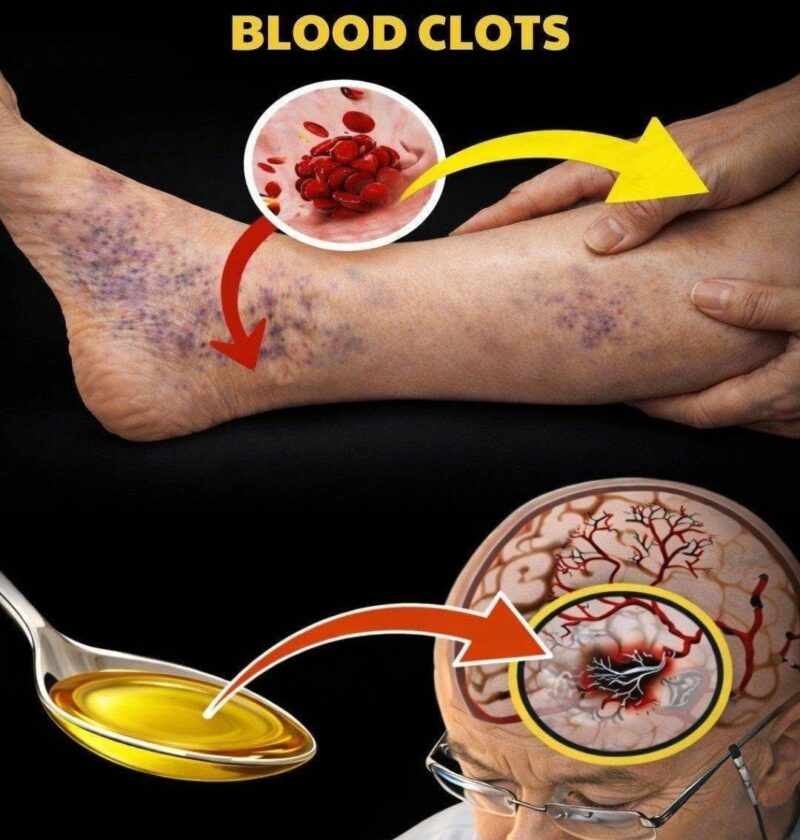
That title is misleading.
No fruit can “manage blood clots” in the medical sense. Blood clotting is a complex process controlled by your platelets, liver-produced clotting factors, and medications when needed (like anticoagulants). Diet can support heart and blood vessel health, but it does not replace medical clot prevention or treatment.
What some fruits can do is support circulation, reduce inflammation, and provide antioxidants that may contribute to overall cardiovascular health.
🍓 Top 8 Fruits That Support Heart & Circulatory Health
1. Pineapple
Contains bromelain, an enzyme studied for its anti-inflammatory properties and possible effects on circulation.
2. Pomegranate
Rich in antioxidants (polyphenols) that may support blood vessel function and healthy blood flow.
3. Blueberries
High in flavonoids that support vascular health and may help reduce inflammation.
4. Oranges
Loaded with vitamin C and hesperidin, which support blood vessel strength.
5. Grapes
Contain resveratrol (especially in red/purple varieties), linked to cardiovascular benefits.
6. Kiwi
Provides vitamin C, potassium, and compounds that may support healthy blood pressure.
7. Papaya
Contains papain, an enzyme sometimes studied for digestion and mild anti-inflammatory effects.
8. Apple
High in soluble fiber (pectin) and polyphenols that support heart health.
🧠 Important reality check
- Fruits do not dissolve or prevent blood clots
- Serious clot risks (like DVT or stroke risk) require medical evaluation and sometimes prescription medication
- “Natural blood thinner foods” claims online are often exaggerated
If you want, I can also list foods that actually interact with blood clotting medications (like warfarin) so you know what to be careful with.