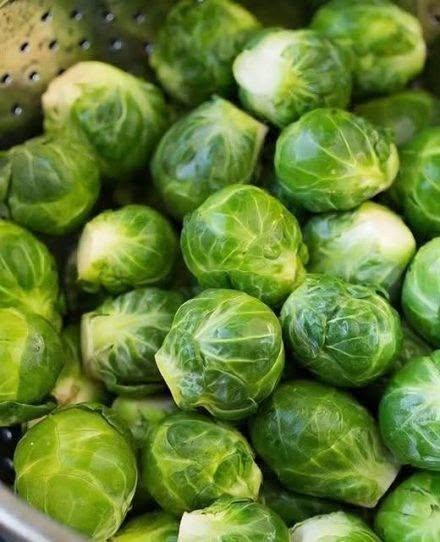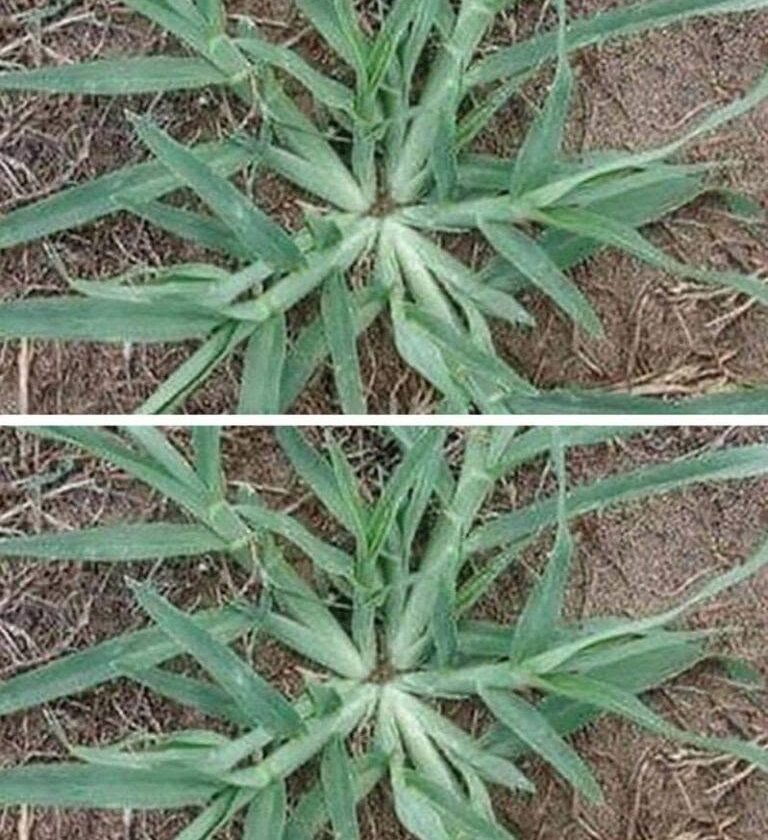
That kind of line is another fear-based gardening clickbait. It’s designed to sound mysterious so people keep reading, but it’s rarely based on real horticultural advice.
🌱 “Never uproot this plant…” — what it usually means
These posts usually refer to common “volunteer” plants or weeds that:
- Supposedly “protect soil”
- “Repel insects”
- “bring luck” (folklore claims)
- or “indicate healthy soil”
But in reality, whether you should remove a plant depends on what it actually is and how it behaves in your garden.
🧠 The truth about mystery garden plants
✔️ Some volunteer plants can be helpful
A few plants that grow on their own may:
- Improve soil structure
- Attract pollinators
- Indicate soil conditions (like moisture or nutrients)
❌ But many are just weeds
Others can:
- Spread aggressively
- Compete with vegetables or flowers for nutrients
- Harbor pests
- Reduce crop yield
⚠️ Important reality check
There is no universal plant that you should “never uproot” without exception. Even beneficial plants can become problematic depending on:
- Location
- Growth speed
- Garden goals
🌿 What you should actually do
Instead of following viral rules:
- Identify the plant first (apps or local gardening help)
- Decide if it helps or harms your garden goals
- Control or remove it if it spreads too much
🧠 Bottom line
“Never uproot this plant” stories are usually internet folklore mixed with half-truths. Gardening decisions should be based on plant identification and context, not viral warnings.
If you want, you can send a photo or description of the plant you’re seeing—I can help you identify whether it’s useful or a weed in your garden.