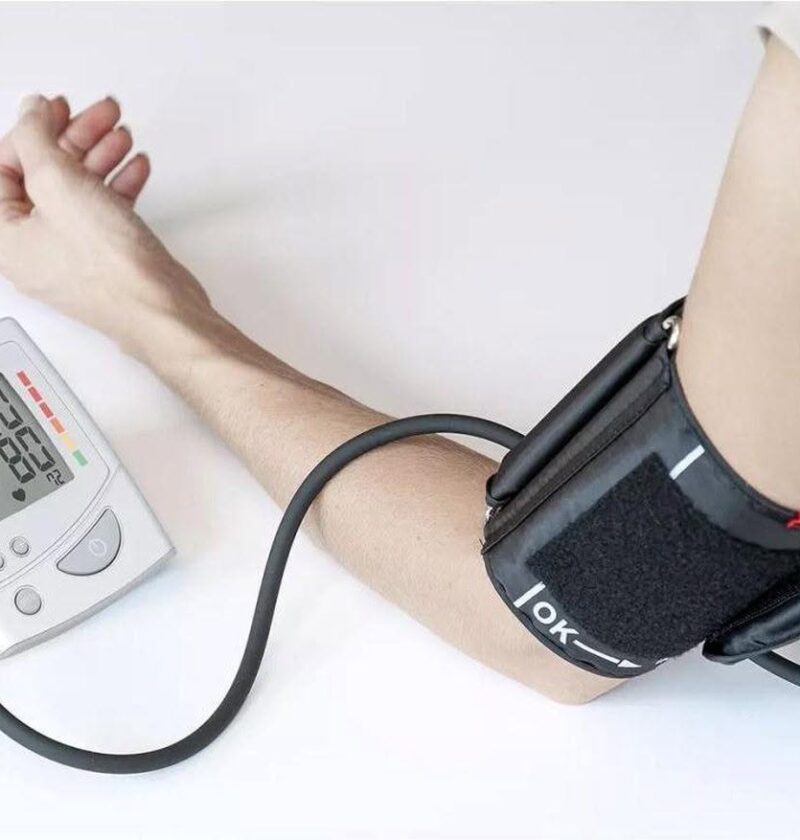
Blood pressure (BP) does not have a strict “different normal for every age,” but it does tend to rise gradually with age because arteries stiffen over time. However, modern medical guidelines use mostly the same target range for adults, with some variations for children and older adults depending on health conditions.
🩺 Normal Blood Pressure (General Adult Standard)
For most adults (age 18+):
- Normal:
Less than 120/80 mmHg - Elevated:
120–129 / less than 80 - High blood pressure (Hypertension):
130/80 mmHg or higher
📊 Blood Pressure by Age (Typical Ranges)
👶 Children (1–12 years)
Blood pressure varies a lot by height and age:
- Approximate normal range:
90/60 to 110/70 mmHg
Doctors use percentile charts rather than fixed numbers.
🧑 Teenagers (13–17 years)
- Normal:
~110/70 to 120/80 mmHg - Values start approaching adult ranges.
🧑🦱 Adults (18–39 years)
- Ideal:
110/70 to 120/80 mmHg - Elevated:
120–129 / <80 - High:
≥130/80
🧔 Middle-aged adults (40–59 years)
- Typical:
115/75 to 130/85 mmHg - Risk of hypertension increases.
👴 Seniors (60+ years)
- Common range:
120/70 to 140/90 mmHg - Many older adults naturally have slightly higher systolic pressure due to artery stiffness.
⚠️ However:
- Doctors often still aim for below 130/80 if tolerated.
⚠️ Important Notes
- A “normal” reading depends on overall health, not just age.
- One reading is not enough—BP should be measured multiple times.
- Factors that raise BP temporarily:
- Stress
- Pain
- Caffeine
- Smoking
- Exercise
🧠 When Blood Pressure Becomes Dangerous
Seek medical advice if:
- Repeated readings are ≥140/90
- Or very high like ≥180/120 (emergency risk)