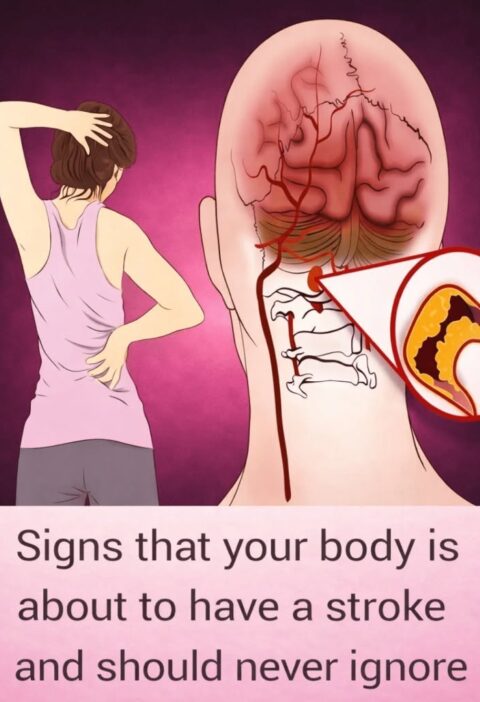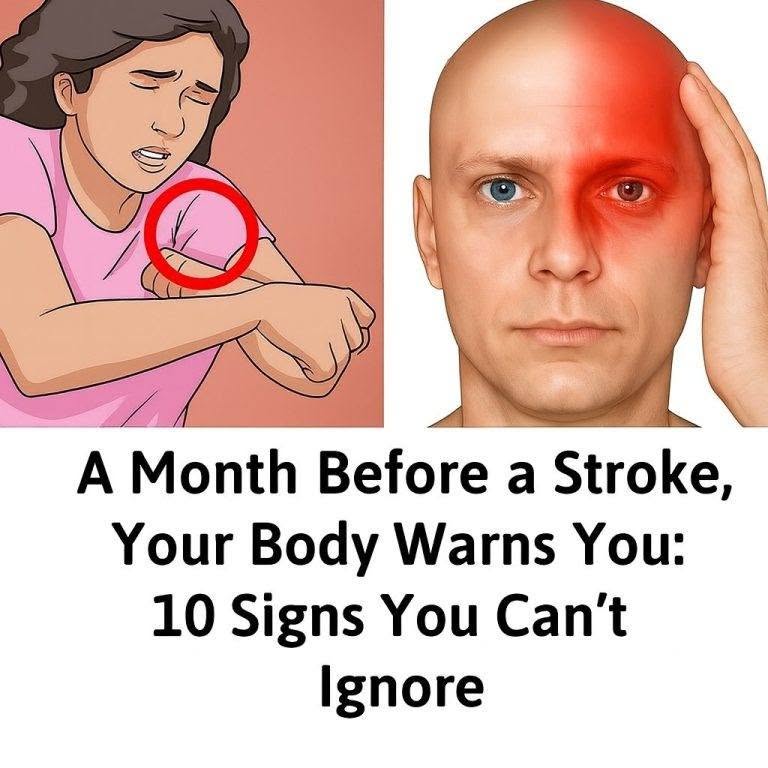
That headline is misleading. There is no reliable “1 month before stroke” warning checklist that applies to everyone. A stroke can happen suddenly, and while some people do experience early warning signs, timing is unpredictable.
A stroke (Stroke) often gives short-term warning signs called TIAs (mini-strokes), which usually occur minutes to days before—not consistently a month in advance.
🧠 Real warning signs to take seriously (any time they occur)
1. Sudden weakness or numbness (face, arm, or leg—especially one side)
2. Slurred or confused speech
3. Sudden vision problems (blurred or lost vision)
4. Loss of balance or coordination
5. Severe, unusual headache (especially sudden)
6. Dizziness with no clear cause
These are the classic FAST-related symptoms:
- Face drooping
- Arm weakness
- Speech difficulty
- Time to call emergency help
⚠️ Possible earlier risk-related signs (not specific to stroke)
These may increase risk but are not reliable “1-month warnings”:
- high blood pressure headaches
- frequent mini dizziness episodes
- temporary numbness or tingling
- chest discomfort or heart rhythm issues
- fatigue or poor circulation symptoms
These often reflect underlying conditions like hypertension or vascular disease.
🚨 Important reality check
Doctors do NOT use “10 signs a month before stroke” as a medical tool because:
- strokes don’t follow a fixed timeline
- symptoms vary widely between people
- many strokes happen without clear warning
🧾 Bottom line
The only proven early warning signs are sudden neurological changes, and they require immediate emergency action—not waiting to see if more symptoms appear.
If you want, I can also explain the difference between a TIA (mini-stroke) and a full stroke, which is where a lot of confusion about “warning signs” comes from.