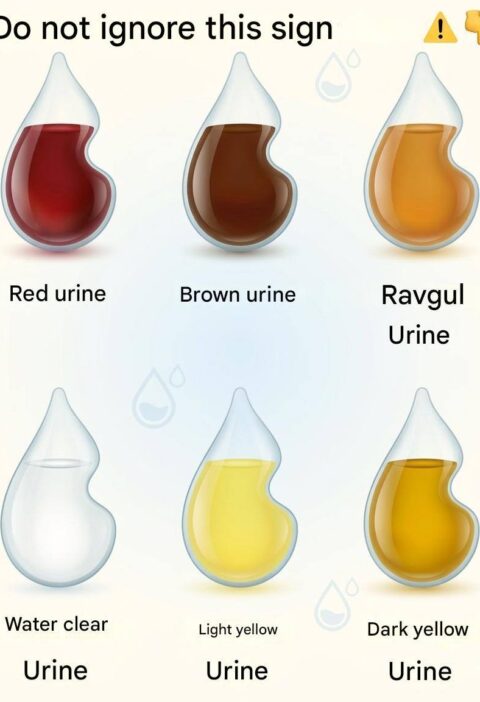
That headline is exaggerating, but it’s based on real safety concerns about a common group of painkillers called NSAIDs (non-steroidal anti-inflammatory drugs).
These include:
- Ibuprofen
- Naproxen
- Aspirin
They are widely used for pain, fever, inflammation, and heart protection (in low-dose aspirin), but they do have known risks—especially with long-term or high-dose use.
⚠️ Serious side effects you should know about
1. Stomach irritation and bleeding
NSAIDs reduce protective stomach lining chemicals, which can lead to:
- Stomach pain or ulcers
- Internal bleeding (black stools, vomiting blood in severe cases)
Risk increases with long-term use, older age, or combining multiple NSAIDs.
2. Heart risk (especially long-term use)
- Can slightly increase risk of heart attack or stroke in some people
- Risk is higher with high doses and prolonged use
- Naproxen may have a slightly lower cardiovascular risk than others in some studies
3. Kidney damage
NSAIDs can reduce blood flow to kidneys:
- Fluid retention
- Worsening kidney function in vulnerable people
- Higher risk if dehydrated or elderly
4. Blood pressure increase
They may:
- Raise blood pressure
- Reduce effectiveness of some BP medications
5. Asthma or allergy reactions (in some people)
Some individuals may experience:
- Wheezing
- Rash
- Swelling or sensitivity reactions
🧠 Important context (what headlines don’t say)
These medicines are safe when used correctly:
- Short-term use at recommended doses is generally safe for most people
- Millions use them without serious issues
- Risk depends heavily on dose, duration, and personal health conditions
🚨 When to be cautious
Extra care is needed if you have:
- History of stomach ulcers
- Kidney disease
- Heart disease
- High blood pressure
- Are taking blood thinners