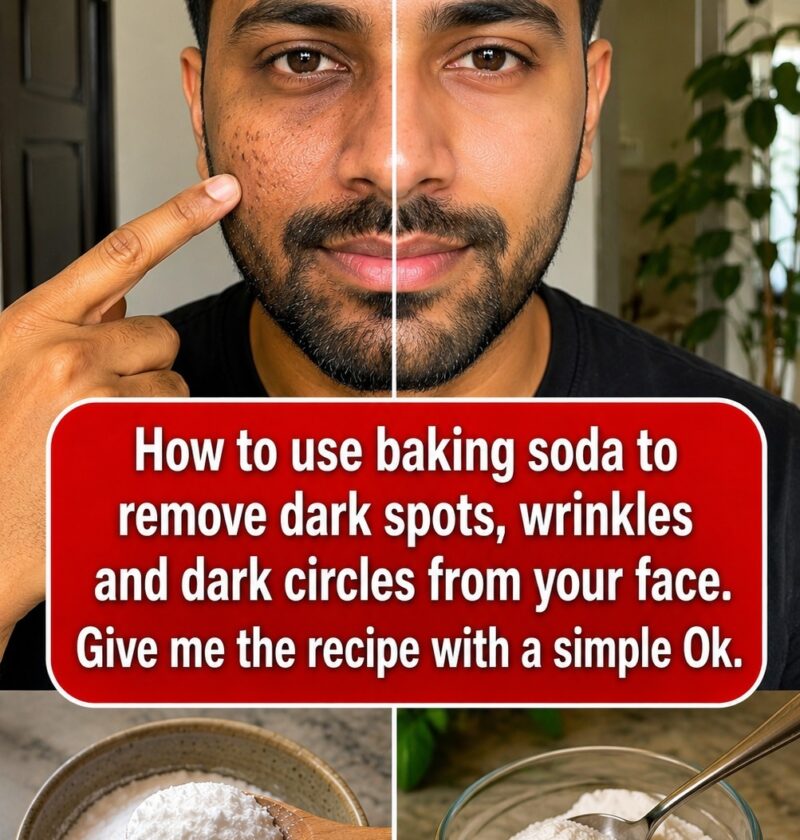
🧴 Baking soda on the face: benefits, risks, and safety
Sodium bicarbonate is sometimes used in DIY skincare, but dermatologists generally do not recommend using it on the face regularly.
🧠 Claimed “benefits” (and what’s true)
🧼 1. Exfoliation
- Baking soda is abrasive, so it can remove dead skin temporarily
- ❗ But it’s too harsh for facial skin in most cases
🧴 2. Oil control
- It may temporarily reduce surface oil
- ❗ But it can also trigger more oil production later by irritating the skin
🧪 3. Acne “treatment”
- No strong scientific evidence that it treats acne safely
- Can actually worsen breakouts in some people
⚠️ Risks of using baking soda on the face
🚨 1. Disrupts skin pH
- Healthy skin is slightly acidic (protective barrier)
- Baking soda is alkaline → can damage this barrier
🔥 2. Irritation and dryness
- Can cause redness, burning, peeling
🧬 3. Skin barrier damage
- Makes skin more sensitive to bacteria and pollution
⚡ 4. Can worsen acne or eczema
- Especially in people with sensitive skin
🧠 Why it’s risky
Your facial skin is much more delicate than body skin. Baking soda is:
- Too abrasive
- Too alkaline
- Not formulated for skin use
✅ Safer alternatives
If you want similar effects, use:
- Gentle exfoliants (like lactic acid or salicylic acid)
- Mild cleansers designed for face
- Non-comedogenic moisturizers
❌ Bottom line
Baking soda may give a short-term “clean” feeling, but it can damage the skin barrier and is not recommended for facial skincare.
If you want, I can suggest a simple, safe skincare routine for acne, oil control, or glowing skin without