Beetroot as an Alternative: What Happens to Your Body When You Eat Beetroot, According to Doctors
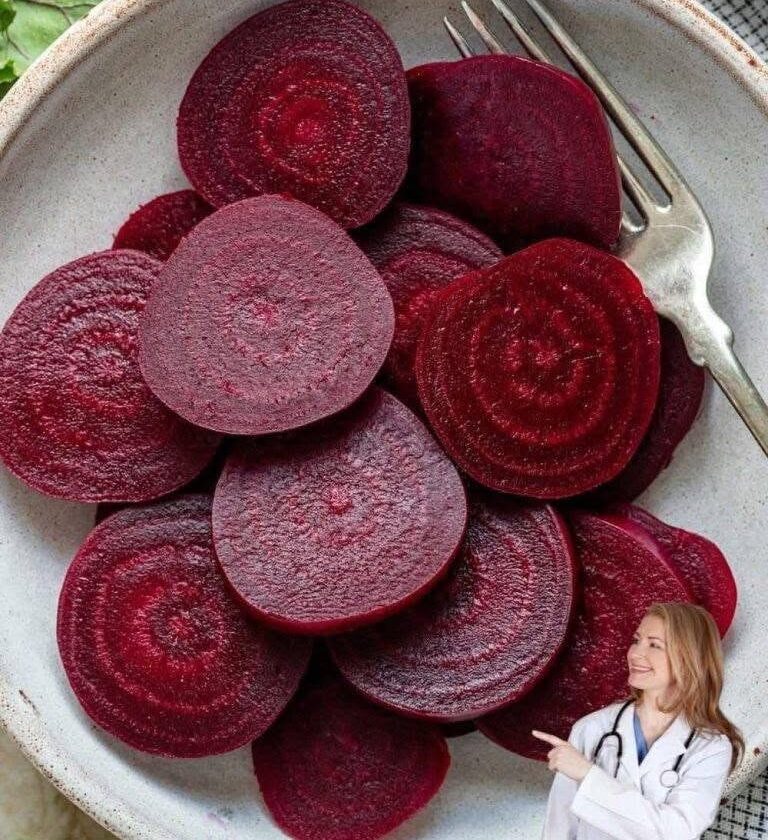
Beetroot has gained popularity as a nutritious food that may support heart health, exercise performance, and overall well-being. Its deep red color comes from natural compounds called betalains, and it contains vitamins, minerals, fiber, and naturally occurring nitrates.
While beetroot is not a miracle food, research suggests it can have several beneficial effects when included as part of a balanced diet.
1. It May Help Support Healthy Blood Pressure
One of the most studied aspects of beetroot is its nitrate content. The body can convert dietary nitrates into nitric oxide, a molecule that helps blood vessels relax and widen.
This process may support healthy blood flow and contribute to maintaining normal blood pressure levels. However, beetroot should not be considered a replacement for prescribed blood pressure medications.
2. It Can Improve Exercise Performance
Athletes and active individuals sometimes consume beetroot juice because nitrates may improve the efficiency of oxygen use during exercise.
Some studies suggest that beetroot may help:
- Increase exercise endurance
- Reduce the amount of oxygen needed during physical activity
- Support performance during moderate to intense exercise
The effects vary between individuals and are generally modest rather than dramatic.
3. It Provides Valuable Nutrients
Beetroot contains several important nutrients, including:
- Folate (vitamin B9)
- Potassium
- Manganese
- Vitamin C
- Fiber
These nutrients contribute to various functions, including cell growth, immune support, and normal muscle and nerve function.
4. It Supports Digestive Health
The fiber found in beetroot can help support healthy digestion and regular bowel movements.
A fiber-rich diet is associated with:
- Better digestive function
- Increased feelings of fullness
- Support for beneficial gut bacteria
5. It Contains Antioxidants
Beetroot’s pigments, called betalains, have antioxidant properties. Antioxidants help protect cells from damage caused by unstable molecules known as free radicals.
A diet rich in colorful fruits and vegetables, including beetroot, contributes to overall health by providing a variety of protective plant compounds.
6. Your Urine or Stool May Turn Pink or Red
One surprising but harmless effect of eating beetroot is a condition known as beeturia.
After consuming large amounts of beetroot, some people notice:
- Pink or red urine
- Red-colored stool
This can be alarming if unexpected, but it is usually harmless and temporary.
7. It May Support Heart Health
Because beetroot contains nitrates, fiber, antioxidants, and potassium, it may contribute to overall cardiovascular health as part of a healthy eating pattern.
However, heart health depends on many factors, including:
- Physical activity
- Blood pressure control
- Cholesterol management
- Not smoking
- Maintaining a healthy weight
No single food can guarantee heart health on its own.
8. It May Help You Feel Fuller
The combination of water and fiber in beetroot can promote satiety, helping people feel full after meals.
Including vegetables like beetroot in meals may support healthy