Understanding Charger Behavior and Everyday Electricity Use
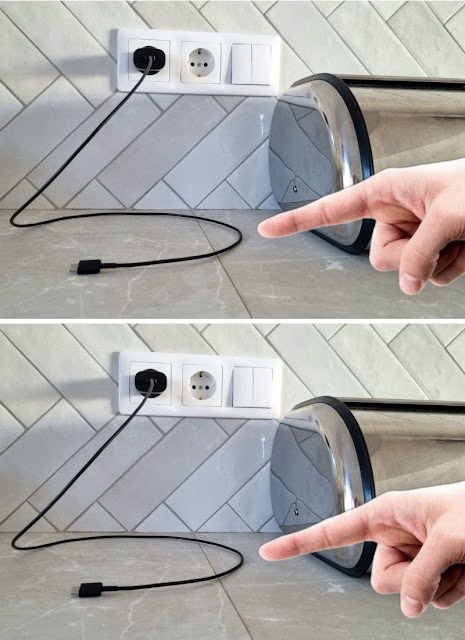
In today’s digital world, mobile phones, tablets, and laptops are essential parts of daily life. As a result, chargers are frequently used in homes, offices, and public spaces. However, one common habit many people overlook is leaving chargers plugged into electrical outlets even when no device is connected.
Although this may seem harmless, it can have several long-term effects on energy consumption, device safety, and charger lifespan. Understanding how chargers behave when idle is important for improving electrical safety, reducing energy waste, and extending the durability of electronic accessories.
Most modern chargers are designed with internal components that regulate and convert electrical current. Even when a device is not connected, some chargers continue to draw a small amount of electricity from the socket. This phenomenon is often referred to as “standby power” or “phantom load.” While the energy usage of a single charger may appear minimal, the combined effect across multiple devices in a household can become significant over time.
Why Leaving Chargers Plugged In Can Be a Hidden Problem
Many users assume that once a phone is unplugged, the charger stops consuming electricity. In reality, most chargers remain partially active as long as they are connected to a power source. This continuous connection creates several potential concerns that are often ignored in everyday usage.
From an energy efficiency perspective, unused but plugged-in chargers contribute to unnecessary power consumption. From a hardware perspective, prolonged connection to electricity can also lead to gradual wear and tear on internal components. These issues may not be immediately visible but can affect both energy bills and device longevity in the long run.
Key Risks of Keeping Chargers Connected to Power Outlets
1. Standby Power Consumption and Energy Waste (Phantom Load Effect)
One of the most widely overlooked issues is continuous electricity draw. Even when a charger is not actively charging a device, it can still consume a small amount of electrical energy. This is known as standby power usage.
Individually, the energy consumption of a single idle charger is very low. However, in modern households where multiple chargers are often left plugged in—such as for smartphones, tablets, laptops, and wireless accessories—the cumulative energy waste can become noticeable over time.
This phenomenon is often referred to in energy studies as “phantom load” or “vampire energy consumption.” It contributes to unnecessary electricity usage and can slightly increase monthly utility costs without providing any functional benefit.
2. Heat Generation and Component Stress
Another important concern is heat buildup. When a charger remains connected to a power source for extended periods, internal electrical components may continue to operate at a low level, generating residual heat.
Over time, this consistent exposure to heat can contribute to gradual degradation of sensitive internal parts such as capacitors and transformers. These components are essential for regulating voltage and ensuring safe charging performance.
Excess heat can reduce the overall efficiency of the charger and may eventually shorten its operational lifespan. In some cases, low-quality or uncertified chargers may be more vulnerable to overheating issues, increasing the risk of malfunction.
3. Reduced Charger Lifespan and Wear of Internal Components
Electronic devices naturally experience wear and tear over time, and chargers are no exception. Continuous exposure to electrical current and heat, even at low levels, can slowly affect internal circuitry.
When chargers are left plugged in for long periods, especially in warm environments or poorly ventilated areas, the internal components may degrade faster than expected. This can lead to reduced performance, inconsistent charging, or complete failure of the device over time.
High-quality chargers are typically designed with safety mechanisms to minimize these risks, but regular unplugging is still considered a good practice for long-term durability.
4. Electrical Safety Considerations and Power Fluctuations
Although modern chargers include safety protections, leaving them constantly plugged in may still expose them to sudden power fluctuations or voltage spikes. These fluctuations can occur due to grid instability, lightning activity, or switching of high-power appliances in the home.
In rare cases, repeated exposure to unstable voltage conditions can affect the internal circuitry of the charger. While serious incidents are uncommon, electrical safety experts often recommend unplugging unused devices as a precautionary measure.
5. Environmental Impact of Unnecessary Energy Consumption
Energy efficiency is not only important for reducing electricity costs but also for minimizing environmental impact. Even small amounts of wasted electricity contribute to overall energy demand, which may indirectly increase carbon emissions depending on the energy source.
Reducing standby power consumption by unplugging unused chargers is a simple but effective way to promote energy conservation at the household level. When practiced collectively, such small habits can contribute to more sustainable energy usage patterns.
Best Practices for Safe and Efficient Charger Use
To improve safety and reduce unnecessary energy consumption, several simple habits can be adopted:
- Unplug chargers when not in use
- Use certified, high-quality charging accessories
- Avoid leaving chargers plugged in overnight unnecessarily
- Store chargers in cool, dry, and well-ventilated areas
- Regularly inspect cables and plugs for damage
These practices help extend the lifespan of charging devices while also reducing potential risks associated with continuous power connection.
Conclusion: Small Habits for Better Safety and Energy Efficiency
Leaving chargers plugged into outlets may seem harmless, but it can contribute to energy waste, heat buildup, and gradual wear of internal components. While the risks are generally low for modern, high-quality chargers, adopting simple habits such as unplugging unused devices can improve both electrical safety and energy efficiency.
Being mindful of everyday electricity usage not only helps protect electronic devices but also supports lower energy consumption and long-term environmental sustainability.