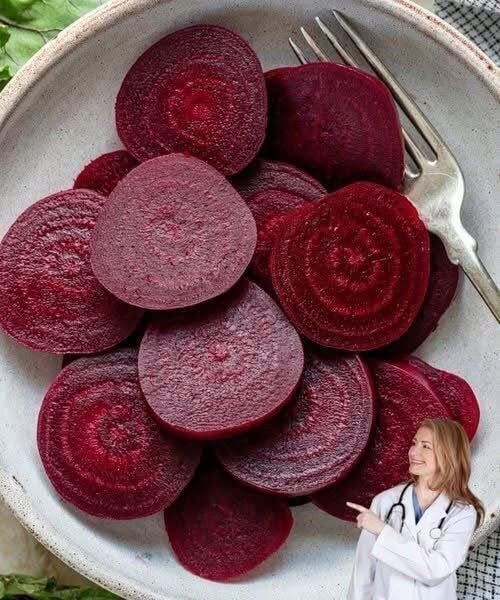
Doctors Explain What Eating Beets Can Do to Your Body
The phrase “eating beets causes…” is often used in attention-grabbing posts, but beets are generally considered a nutritious food for most people. Like any food, they can have effects on the body—some beneficial and some worth knowing about.
Potential benefits of eating beets
1. May support healthy blood pressure
Beets are naturally rich in nitrates, which the body can convert into nitric oxide. This may help blood vessels relax and support healthy circulation.
2. Supports heart health
Beets provide:
- Fiber
- Potassium
- Folate
- Antioxidants
These nutrients contribute to overall cardiovascular health.
3. May improve exercise performance
Some studies suggest beetroot may help improve endurance and exercise efficiency in some people because of its nitrate content.
4. Supports digestion
The fiber in beets can help:
- Promote regular bowel movements
- Support healthy gut bacteria
Possible effects some people notice
1. Red or pink urine
Beets can cause beeturia, where urine (and sometimes stool) appears pink or red. This is usually harmless and temporary.
2. Digestive discomfort
Eating large amounts may cause:
- Gas
- Bloating
- Changes in bowel habits
3. Kidney stone concerns for some people
Beets contain oxalates, which may contribute to kidney stone formation in people who are prone to oxalate kidney stones. Those individuals may need personalized dietary advice.
4. Blood sugar considerations
Beets contain natural carbohydrates. They can fit into a healthy diet, but people with diabetes may want to consider portion sizes and overall carbohydrate intake.
Tips for eating beets
✅ Start with smaller portions if you are not used to high-fiber foods.
✅ Include a variety of vegetables rather than relying on one food.
✅ Drink enough fluids when increasing fiber intake.
✅ Discuss dietary changes with a healthcare professional if you have kidney disease or kidney stones.
For most people, beets are a healthy addition to a balanced diet—not a harmful food. The effects depend on your health conditions, medications, and how much you eat.