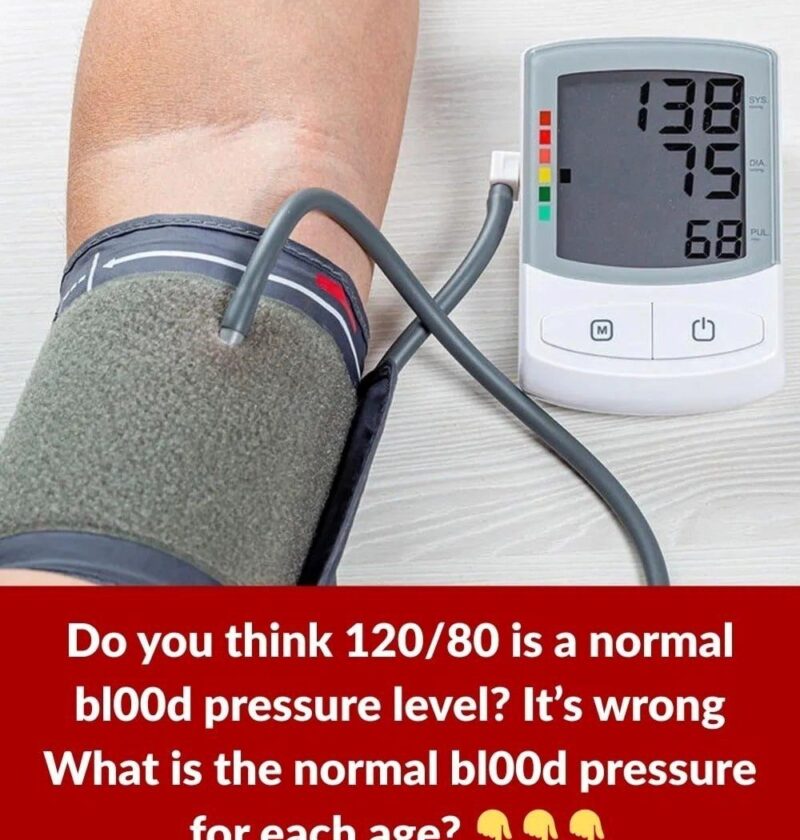
Blood pressure doesn’t have a perfectly different “normal” for every age, but it does shift slightly across life stages. Doctors now mainly use one standard adult range, with special considerations for children and older adults.
🩺 Normal blood pressure ranges
👶 Children (varies by age/height)
Normal BP in kids is based on percentiles, not fixed numbers, but roughly:
- Young children: ~90–110 / 50–70 mmHg
- Older children/teens: gradually approaches adult range
🧑 Adults (18–59)
Hypertension guidelines (most widely used):
- Normal: less than 120/80 mmHg
- Elevated: 120–129 / <80
- High blood pressure (Stage 1): 130–139 / 80–89
- High blood pressure (Stage 2): ≥140 / ≥90
👵 Older adults (60+)
- Many guidelines still aim for <130/80 mmHg if tolerated
- Some people may have slightly higher “acceptable” levels depending on health conditions (e.g., dizziness risk, frailty)
Typical range often seen:
- ~120–140 / 70–90 mmHg (varies individually)
🧠 Important facts
- There is no separate “safe normal” for each adult age group
- Blood pressure tends to rise with age due to blood vessel stiffness
- Treatment targets depend more on overall health risk, not age alone
⚠️ When to be concerned
- Consistently ≥140/90 mmHg → likely hypertension
- <90/60 mmHg with symptoms (dizziness, fainting) → low BP concern
- Sudden changes from your usual reading → should be checked
❤️ Bottom line
- Ideal adult BP: around 120/80 mmHg
- “Normal” varies slightly with age and health, but 130/80 is now a key threshold
- One reading isn’t enough—patterns over time matter most
If you want, I can also give you a simple chart showing what blood pressure is considered safe for kids, adults, and seniors in a quick visual way.