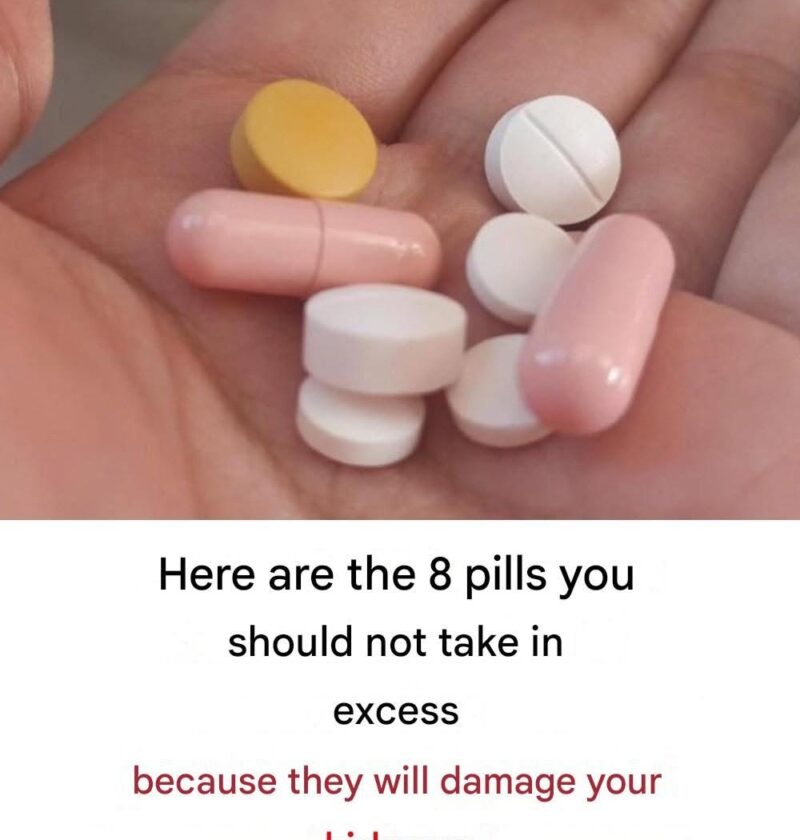
Headlines like “Eight pills you shouldn’t take because they damage your kidneys” are often misleading. Many medications are safe and effective when used correctly, but some can increase the risk of kidney injury in certain people—especially those with existing kidney disease, dehydration, or older age.
Here are some common medication types that may affect the kidneys:
- Nonsteroidal anti-inflammatory drugs (NSAIDs)
- Examples: ibuprofen, naproxen
- Risk: Can reduce blood flow to the kidneys, particularly with long-term use or during dehydration.
- Certain antibiotics
- Some antibiotics can affect kidney function, especially at high doses or in people with reduced kidney function.
- Your clinician may adjust the dose based on kidney function.
- Certain antiviral medications
- Some antivirals require dose adjustments or monitoring because they are cleared by the kidneys.
- Some diuretics (“water pills”)
- These can contribute to dehydration or electrolyte imbalances, which may affect kidney function if not monitored.
- Lithium
- Long-term lithium treatment requires regular blood tests because it can affect kidney function over time.
- Certain chemotherapy drugs
- Some cancer treatments can be toxic to the kidneys, which is why kidney function is monitored during treatment.
- Some immunosuppressant medications
- Drugs such as calcineurin inhibitors (used after organ transplantation and for some autoimmune diseases) can affect kidney function and require monitoring.
- High-dose proton pump inhibitors (rare association)
- Medications such as omeprazole have been linked to rare cases of kidney inflammation. The overall risk is low, but persistent symptoms should be discussed with a healthcare professional.
How to protect your kidneys
- Take medications exactly as prescribed.
- Stay well hydrated unless you’ve been told to restrict fluids.
- Avoid taking multiple NSAIDs at the same time.
- Tell your healthcare professional about all prescription drugs, over-the-counter medicines, and supplements you use.
- Have kidney function checked if you’re taking medications that require monitoring.
Seek medical attention promptly if you develop:
- Very little urine output
- Swelling in your legs or face
- Severe fatigue or confusion
- Blood in your urine
- Severe flank (side) pain