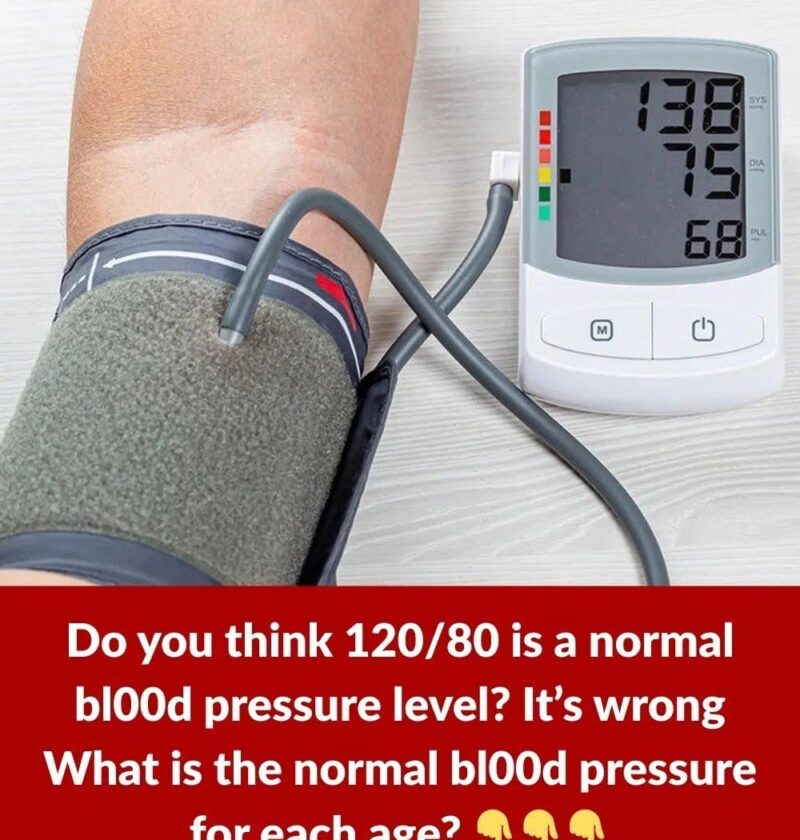
The idea that there is one “normal” blood pressure number for every age is a common misconception. Blood pressure goals depend on age, overall health, medications, and medical conditions. In general, a healthy adult blood pressure is often considered around 120/80 mmHg or lower, but many factors affect what is appropriate.
A simple guide:
| Age group | Typical healthy range (approx.) |
|---|---|
| Children | Varies widely by age, height, and sex |
| Teens | Around 110–120 / 65–80 mmHg |
| Adults (18–39) | Around 110–130 / 70–80 mmHg |
| Adults (40–59) | Often around 120–130 / 70–80 mmHg |
| Adults 60+ | Many guidelines aim for below 130–140 / 80–90 mmHg, depending on health status |
Blood pressure categories for adults:
- ✅ Normal: Less than 120/80 mmHg
- ⚠️ Elevated: 120–129 and less than 80
- ⚠️ High blood pressure (Stage 1): 130–139 or 80–89
- 🚨 High blood pressure (Stage 2): 140 or higher or 90 or higher
Remember:
- One high reading does not always mean you have hypertension. Stress, pain, caffeine, exercise, and poor sleep can temporarily raise blood pressure.
- Regular measurements taken correctly give a better picture.
- Very low blood pressure can also be a concern if it causes symptoms such as dizziness, fainting, or weakness.
If you share the person’s age and blood pressure reading (for example, 145/90), I can help explain what it may mean.