Here are some of the most common explanations:
- Stress or anxiety: Mental stress can make it easier to wake during the lighter stages of sleep that occur in the early morning.
- Insomnia: One form of insomnia involves waking too early and being unable to fall back asleep.
- Sleep environment: Noise, light, temperature, or a partner’s movements can disrupt sleep.
- Alcohol or caffeine: Alcohol can fragment sleep later in the night, and caffeine consumed too late in the day can interfere with sleep quality.
- Need to use the bathroom: Drinking a lot of fluids before bed or certain medical conditions can lead to nighttime urination.
- Normal sleep cycles: Sleep naturally becomes lighter toward morning, making awakenings more likely.
What about the claims online?
Posts often say waking at 3–4 a.m. means:
- Your liver is “detoxing.”
- Your body is sending a special warning.
- It’s a spiritual sign.
- It indicates one specific disease.
These claims are not supported by scientific evidence.
When should you be concerned?
Consider talking with a healthcare professional if:
- It happens several times a week for months.
- You can’t get back to sleep and feel tired during the day.
- You snore loudly, gasp during sleep, or stop breathing during sleep (which could suggest Obstructive sleep apnea).
- You have other symptoms such as significant weight loss, fever, persistent pain, or mood changes.
Bottom line
Waking at 3 or 4 a.m. is usually related to sleep patterns, stress, lifestyle, or other common factors—not a “clear sign” of a hidden illness. If it’s frequent or affecting your quality of life, it’s worth discussing with a healthcare professional to identify the underlying cause.
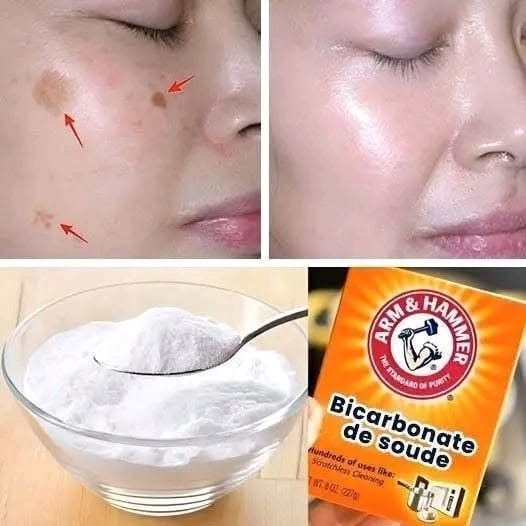
That claim is not supported by good scientific evidence. While Sodium bicarbonate has legitimate household uses, it is not recommended as a facial treatment for dark spots, wrinkles, or dark circles.
Why baking soda isn’t a good facial treatment
Baking soda is highly alkaline (pH around 8–9), while healthy skin is naturally slightly acidic (pH around 4.5–5.5). Applying it regularly can:
- Disrupt the skin’s protective barrier
- Cause dryness and irritation
- Worsen sensitive skin or acne in some people
- Increase the risk of inflammation, which can actually make dark spots worse
What about the specific claims?
- Dark spots: There is no good evidence that baking soda fades pigmentation.
- Wrinkles: Baking soda cannot reduce wrinkles or stimulate collagen production.
- Dark circles: Dark circles are often caused by genetics, thin skin, lack of sleep, allergies, or pigmentation—not something baking soda can treat.
Evidence-based alternatives
Depending on the concern, these ingredients have better evidence:
- For dark spots:
- Sunscreen (the most important step)
- Vitamin C
- Niacinamide
- Azelaic acid
- Retinoids (under appropriate guidance)
- For wrinkles:
- Daily sunscreen
- Retinoids
- Moisturizers
- Vitamin C serum
- For dark circles:
- Adequate sleep
- Treating allergies if present
- Sunscreen
- Products containing caffeine or retinol may help some people, depending on the cause
Bottom line
Baking soda is useful for baking and some household cleaning tasks, but it’s not an evidence-based skincare treatment for wrinkles, dark spots, or dark circles. In fact, using it regularly on your face is more likely to irritate your skin than improve it.
If you’re dealing with one of these concerns, I can suggest treatments that are supported by dermatology research and suited to your skin type