Causes of Swollen Legs, Feet, and Ankles (~1500+ words, SEO-Optimized)
Introduction: Why Leg Swelling Should Not Be Ignored
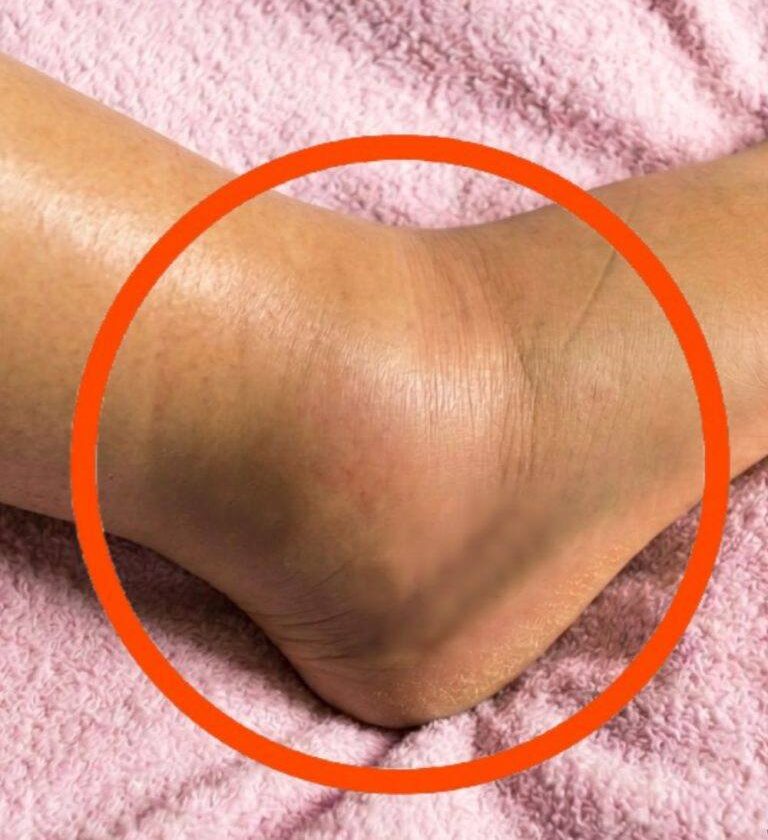
Swelling in the legs, ankles, or feet is a common symptom that many people experience at some point in their lives. It can be temporary and harmless, such as after long standing or hot weather, but in some cases it may signal an underlying medical condition that needs attention.
The medical term for swelling caused by fluid buildup is edema.
Edema
Understanding the difference between harmless swelling and warning signs of disease is important for early detection and treatment.
How and Why Leg Swelling Happens
Swelling occurs when fluid leaks from blood vessels into surrounding tissues. This can happen due to:
- Poor circulation
- Increased pressure in veins
- Kidney or heart issues
- Inflammation or injury
- Prolonged sitting or standing
The lower legs are especially prone to swelling because gravity makes it harder for blood and fluid to return to the heart.
Common Causes of Swollen Legs
1. Long Standing or Sitting
One of the most common and harmless causes.
Why it happens:
- Blood pools in lower limbs
- Fluid accumulates in tissues
Typical situations:
- Long flights
- Standing jobs
- Extended sitting periods
This type of swelling usually improves with movement or leg elevation.
2. Venous Insufficiency (Weak Vein Valves)
When veins struggle to send blood back to the heart, fluid can accumulate in the legs.
Chronic venous insufficiency
Symptoms include:
- Swelling in ankles and lower legs
- Aching or heaviness
- Visible varicose veins
- Skin discoloration
3. Heart-Related Conditions
When the heart does not pump efficiently, fluid may build up in the body.
Heart failure
Possible signs:
- Swollen legs or ankles
- Shortness of breath
- Fatigue
- Rapid weight gain
This requires medical attention.
4. Kidney Problems
The kidneys help regulate fluid balance in the body. If they are not functioning properly, fluid may accumulate.
Signs may include:
- Swelling in legs and face
- Changes in urination
- Fatigue
5. Liver Conditions
Liver disease can affect protein levels in the blood, leading to fluid leakage.
Possible symptoms:
- Abdominal swelling
- Leg swelling
- Yellowing of skin or eyes
6. Injury or Inflammation
Localized swelling can occur due to:
- Sprains
- Infections
- Insect bites
This type of swelling is usually limited to one area.
7. Medications
Some medications may cause fluid retention.
Common examples include:
- Blood pressure medicines
- Steroids
- Hormone therapies
When Swollen Legs May Be a Warning Sign
You should seek medical attention if swelling is:
- Sudden or severe
- Only in one leg
- Accompanied by pain or redness
- Associated with shortness of breath
- Persistent and worsening
These may indicate serious conditions such as blood clots or heart problems.
How Doctors Diagnose Leg Swelling
Doctors may use:
- Physical examination
- Blood tests
- Ultrasound scans
- Heart and kidney function tests
This helps identify the underlying cause.
How to Reduce Mild Leg Swelling Naturally
1. Elevate Your Legs
Helps fluid return to the heart.
2. Stay Active
Walking improves circulation.
3. Reduce Salt Intake
Excess salt can cause fluid retention.
4. Wear Compression Stockings
Helps improve venous flow.
5. Stay Hydrated
Supports kidney function and fluid balance.
Final Thoughts: Swelling Is a Symptom, Not a Disease
Swollen legs can result from harmless lifestyle factors or more serious medical conditions. While occasional swelling after standing or travel is normal, persistent or unexplained swelling should always be evaluated.
Early diagnosis helps prevent complications and improves long-term health outcomes.
PART 2: Simple Quick Guide
Common Causes
- Long sitting or standing
- Poor circulation
- Kidney or heart issues
- Injuries
- Medications
Warning Signs
- One leg swelling only
- Pain or redness
- Shortness of breath
- Sudden onset
Simple Relief Tips
- Elevate legs
- Walk regularly
- Reduce salt
- Wear compression socks
If you want, I can also turn this into:
- A viral SEO blog with “5 warning signs of dangerous leg swelling”
- A YouTube script (doctor explanation style)
- Or a comparison article: normal swelling vs dangerous swelling explained simply