Skin Cell Rejuvenation and Anti-Aging Research (~1500+ words, SEO-Optimized)
Introduction: Why This “Reversing Age” Research Is Getting Attention
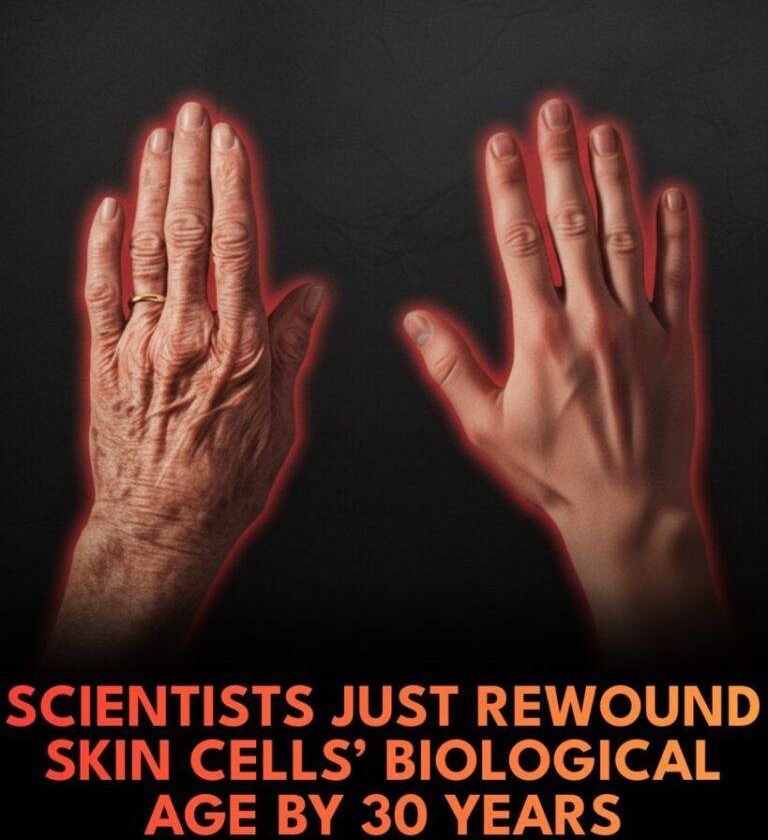
Recent headlines about scientists making “50-year-old skin cells behave like 20-year-old cells” come from real but often misunderstood research in the field of cellular reprogramming and aging science.
The idea does not mean the body is suddenly becoming young again. Instead, scientists are exploring ways to reset biological markers of aging in cells under laboratory conditions.
This research is part of a broader scientific field called regenerative medicine, which studies how cells can be repaired, reactivated, or reprogrammed.
What “Skin Cell Rejuvenation” Actually Means
Skin cells naturally age over time due to:
- DNA damage
- Environmental exposure (sun, pollution)
- Reduced collagen production
- Cellular stress
As cells age, they:
- Divide more slowly
- Produce less structural protein
- Show signs of “biological aging”
Scientists are now studying ways to partially reverse these markers in controlled environments.
The Science Behind Cellular Reprogramming
The research is based on a breakthrough technique involving induced pluripotent stem cells (iPSCs).
This method was pioneered by Nobel Prize–winning research showing that mature cells can be “reset” to a younger-like state by activating specific genes.
Key idea:
- Adult cells can be “reprogrammed” into a more youthful biological state
- This does not physically make a person younger
- It resets certain cellular functions in laboratory conditions
What Scientists Actually Did in Recent Studies
In recent experiments, researchers took skin cells from older adults and applied partial reprogramming techniques.
The results showed:
- Improved cell function
- Increased collagen production potential
- More active energy metabolism
- Gene expression patterns closer to younger cells
However:
- These experiments were done in controlled lab environments
- Not yet proven as safe or effective for full human use
Important Reality Check: This Is Not Anti-Aging Medicine Yet
Despite viral headlines, this research does NOT mean:
- Wrinkles can be reversed instantly
- Aging is cured
- Humans can be biologically reset
Instead, it represents early-stage science that may one day help:
- Wound healing
- Skin regeneration
- Age-related disease treatment
How Skin Aging Normally Happens
Skin aging is influenced by both internal and external factors.
Internal aging:
- Genetic changes
- Reduced collagen and elastin production
- Slower cell turnover
External aging:
- Sun exposure (UV damage)
- Pollution
- Smoking
- Poor nutrition
Together, these cause:
- Wrinkles
- Thinning skin
- Loss of elasticity
Why Scientists Focus on Skin Cells First
Skin is one of the most accessible tissues for research because:
- It regenerates constantly
- It is easy to sample
- It reflects visible aging changes
This makes it a strong model for studying broader aging processes in the body.
Potential Future Applications of This Research
If safely developed, cellular rejuvenation could eventually help with:
1. Wound Healing
Faster skin repair for injuries or burns
2. Anti-Aging Treatments
Improved skin elasticity and regeneration
3. Regenerative Medicine
Repairing damaged tissues in older adults
4. Disease Research
Understanding aging-related diseases like Alzheimer’s or arthritis
Risks and Challenges Scientists Still Face
This field is still experimental. Major concerns include:
- Risk of uncontrolled cell growth
- Potential cancer risk if reprogramming is misused
- Difficulty controlling “partial reprogramming” safely
- Long-term unknown effects
Because of this, human clinical applications are still under strict research phases.
Why Headlines Can Be Misleading
Viral news often exaggerates findings by saying:
- “Reversed aging”
- “Made old cells young again overnight”
In reality:
- The change is partial and biological
- It happens in lab conditions
- It is not a cosmetic or instant human treatment
What This Means for Skin Care Today
While we cannot reverse aging at the cellular level yet, we can support healthy skin aging by:
- Using sunscreen daily
- Eating antioxidant-rich foods
- Staying hydrated
- Avoiding smoking
- Using dermatologist-approved skincare
These steps help reduce cellular damage over time.
Final Thoughts: A Promising but Early Discovery
The idea of rejuvenating skin cells is real in scientific research, but it is still far from practical human anti-aging treatment.
What scientists have achieved is a partial reset of cellular aging markers in controlled environments, not full biological age reversal.
This research is promising for the future of regenerative medicine, but it should not be misinterpreted as a current anti-aging cure.
PART 2: Simple Summary
What Scientists Found
- Old skin cells can show “younger behavior” in lab studies
- Done using cellular reprogramming techniques
- Still experimental, not a treatment yet
What It Does NOT Mean
- It does not reverse human aging
- It does not remove wrinkles instantly
- It is not available as a skincare product
Why It Matters
- Could help future wound healing
- May support regenerative medicine
- Could improve understanding of aging
If you want, I can also turn this into:
- A viral SEO blog with “future anti-aging breakthroughs” angle
- A YouTube script (science explainer style)
- Or a simplified “anti-aging science explained in 1 minute” version