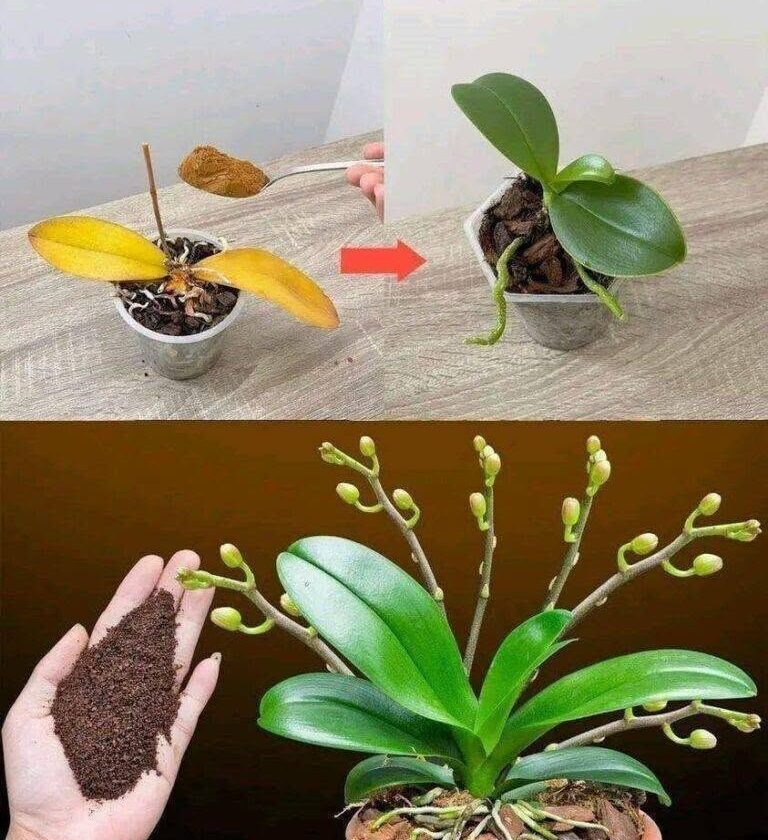
Orchids are plants with a natural growth cycle. Flowering depends on several factors working together, including the orchid’s health, age, light conditions, temperature, watering habits, nutrients, and the condition of its roots. If an orchid is already healthy and close to its blooming stage, proper care can help it produce more flowers. But if the plant is weak, stressed, or lacking the right conditions, a teaspoon of any homemade solution is unlikely to create a sudden transformation.
Many online gardening tips suggest using small amounts of household ingredients such as sugar water, rice water, milk, eggshell mixtures, or other natural remedies. Some of these may provide tiny amounts of nutrients, but they should be used carefully. Orchids are different from many common houseplants because they often grow naturally in environments where their roots receive air and only small amounts of nutrients. Too much of any ingredient can damage the roots, encourage fungus, or disturb the balance of the growing medium.
For an orchid to produce lots of flowers, the most important factors are:
1. Proper lighting
Orchids usually need bright, indirect light. Too little light can prevent blooming, while harsh direct sunlight can burn the leaves. Healthy green leaves often indicate that the plant is receiving suitable light.
2. Correct watering
Overwatering is one of the most common causes of orchid problems. Orchid roots need oxygen, so the plant should not sit in constantly wet soil. Watering should depend on the type of orchid, potting material, and environment.
3. Healthy roots
Strong roots are the foundation of flowering. Damaged or rotten roots reduce the plant’s ability to absorb water and nutrients. A healthy root system helps the orchid store energy for future blooms.
4. Balanced nutrition
Orchids benefit from a suitable orchid fertilizer used at the correct strength. Fertilizing too often or too heavily can harm the plant. Regular, gentle feeding is usually better than a large amount at once.
5. Temperature changes and rest periods
Many orchids respond to differences between daytime and nighttime temperatures. Some varieties need a cooler period to encourage flower spikes to develop.
The idea behind “just a teaspoon” is that people hope for a quick solution, but orchids reward patience. A well-cared-for orchid may take weeks or months to develop flower spikes and open new blossoms. The best “secret” is not a miracle ingredient—it is consistent care, the right environment, and understanding the plant’s natural rhythm.
So, while a teaspoon of a suitable nutrient mixture may support an orchid, the real reason behind abundant blooms is healthy plant care over time, not a sudden miracle treatment.