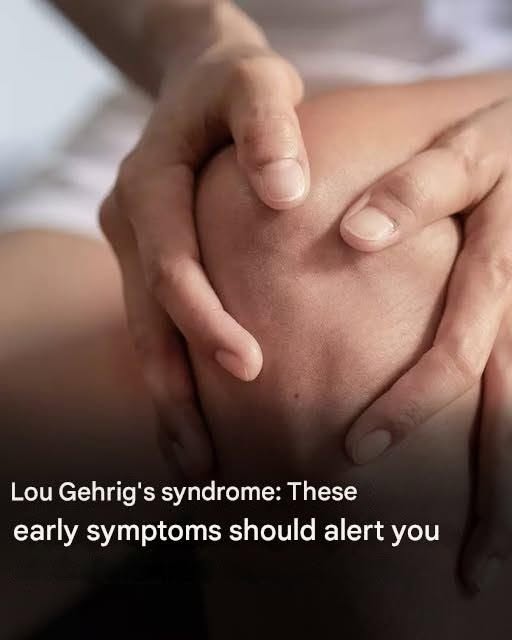
Amyotrophic lateral sclerosis (ALS), often called Lou Gehrig’s disease, is a progressive neurological disorder that affects nerve cells responsible for controlling voluntary muscles. Early symptoms can be subtle and may vary from person to person.
Possible early symptoms of ALS
- Muscle weakness in one area: Often begins in a hand, arm, leg, or with muscles involved in speech and swallowing.
- Twitching (fasciculations): Small, involuntary muscle movements, commonly noticed in the arms, legs, shoulders, or tongue.
- Muscle cramps or stiffness: Some people experience frequent cramps, tightness, or difficulty relaxing muscles.
- Clumsiness or loss of coordination: Dropping objects, tripping, or difficulty with fine movements.
- Changes in speech: Slurred speech, quieter voice, or difficulty pronouncing words.
- Difficulty swallowing: Trouble moving food or liquids safely.
- Fatigue or muscle exhaustion: Muscles may tire more quickly than usual.
Symptoms that are usually not typical early signs
ALS primarily affects motor function. Sensory symptoms such as numbness, tingling, or loss of sensation are generally not characteristic and may suggest another condition.
When to seek medical advice
Persistent or worsening muscle weakness, unexplained twitching with weakness, new speech changes, or swallowing difficulties should be evaluated by a healthcare professional. Many conditions can cause similar symptoms, so these signs do not necessarily mean someone has ALS.
If you’re asking because of a specific symptom (for example, twitching, weakness, cramps, or speech changes), tell me what you’ve noticed and how long it has been happening.