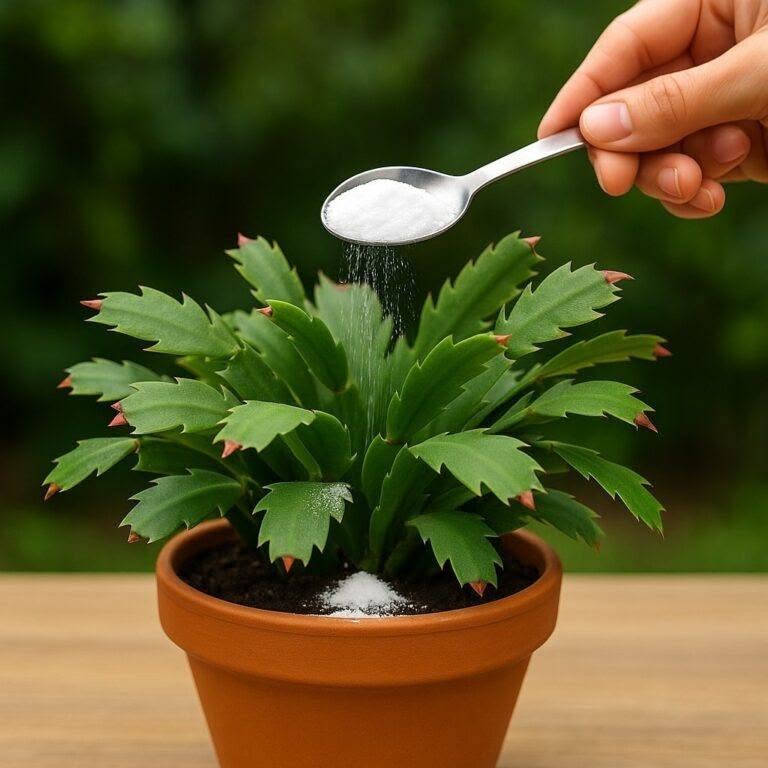
Makes Any Plant Bloom Quickly? The Truth Behind Fast Flowering Tips
Many gardeners dream of seeing their plants covered in beautiful flowers as quickly as possible. That is why tips claiming to “make any plant bloom quickly” often attract attention. While there is no magic ingredient that can force every plant to flower overnight, the right care can encourage healthier growth and help many flowering plants produce blooms more successfully.
Here are some proven ways to encourage faster and better flowering.
1. Provide the Right Amount of Sunlight
Light is one of the most important factors controlling flowering. Many flowering plants need several hours of direct sunlight each day to produce enough energy for buds and blooms.
However, every plant has different needs. Too little light can result in weak growth and fewer flowers, while too much intense sunlight can stress plants that prefer partial shade.
Always check the light requirements of the specific plant you are growing.
2. Use the Right Fertilizer
Plants need nutrients to grow and flower. A fertilizer with appropriate levels of phosphorus can support flower development, while nitrogen mainly encourages leafy growth.
Too much nitrogen may create a plant with lots of green leaves but fewer flowers.
A balanced fertilizer schedule based on the plant type is usually more effective than applying large amounts of nutrients.
3. Keep the Soil Healthy
Healthy roots create healthy plants. Good soil should provide:
- Proper drainage
- Enough nutrients
- Good moisture retention
- Space for roots to grow
Adding compost or organic matter can improve soil quality and support stronger plant growth.
4. Water Correctly
Both overwatering and underwatering can reduce flowering. Plants under stress often focus their energy on survival rather than producing blooms.
Water when the plant’s soil moisture level requires it, and make sure excess water can drain away. The ideal watering routine depends on the plant, climate, and soil type.
5. Remove Old Flowers
Many flowering plants benefit from “deadheading,” which means removing faded flowers. This can encourage the plant to produce new blooms instead of spending energy on seed production.
Regularly checking plants and removing spent flowers can keep them looking healthier and encourage continued flowering.
6. Give Plants Enough Space
Crowded plants compete for sunlight, water, and nutrients. Proper spacing improves air circulation and reduces stress, allowing plants to grow more vigorously.
Healthy growth often leads to better flowering.
7. Use Natural Plant Boosters Carefully
Some gardeners use homemade additions such as compost tea, seaweed-based products, or organic fertilizers to support plant health. These may help when used appropriately, but they are not guaranteed “instant bloom” solutions.
A plant’s genetics, age, season, and growing conditions all influence when it flowers.
8. Understand Your Plant’s Natural Cycle
Some plants bloom only during certain seasons or after reaching a certain maturity. Trying to force flowers before the plant is ready may cause stress.
Knowing whether your plant is annual, perennial, tropical, or seasonal can help you provide the right care at the right time.
Common Mistakes That Prevent Flowering
Avoid these common gardening problems:
- Over-fertilizing
- Using the wrong fertilizer type
- Too little sunlight
- Irregular watering
- Poor soil drainage
- Pruning at the wrong time
Final Thoughts
There may not be a single trick that makes every plant bloom instantly, but consistent care can dramatically improve flowering. The fastest results usually come from understanding what your plant needs: the right light, proper nutrients, healthy soil, correct watering, and patience.
A thriving plant does not need a miracle — it needs the right environment to show its full potential.