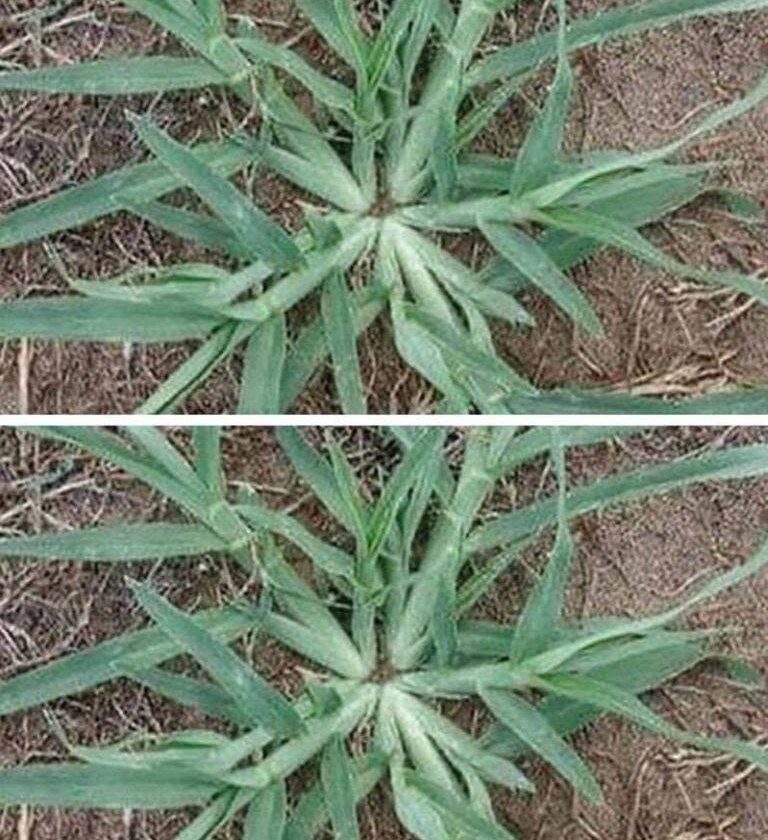
Never Uproot This Plant If It Appears in Your Garden — But Know What It Is First
You may have seen advice saying “never remove this plant from your garden” because some wild plants that appear on their own can actually be beneficial. However, it is important to identify the plant correctly before leaving it alone—some unwanted plants can be invasive or harmful.
One commonly praised “volunteer” plant is the dandelion.
Why Some Gardeners Keep Dandelions
Although many people consider dandelions weeds, they can have benefits:
1. They Support Pollinators
Their flowers provide an early food source for:
- Bees
- Other pollinating insects
This can be especially valuable in early spring when fewer flowers are available.
2. They Have Deep Roots
Dandelion roots can reach deep into the soil and may help:
- Loosen compacted soil
- Bring certain minerals closer to the surface
- Improve soil structure as roots decay
3. They Are Edible (When Properly Identified)
Dandelion leaves and flowers have traditionally been used in foods such as salads and teas. However:
- Avoid plants treated with pesticides or chemicals.
- Correct identification is essential.
But Don’t Ignore Every “Wild” Plant
Some plants that appear naturally in gardens can:
- Spread aggressively
- Crowd out native plants
- Be toxic to people or pets
Before keeping an unknown plant, check:
✅ Leaf shape
✅ Flower appearance
✅ Growth pattern
✅ Whether it is invasive in your area
If You Want to Keep Beneficial Wild Plants
A good approach is:
- Allow some areas of your garden to grow naturally.
- Remove plants that spread too aggressively.
- Avoid chemical treatments that harm helpful insects.
- Plant a mix of flowers that support pollinators.