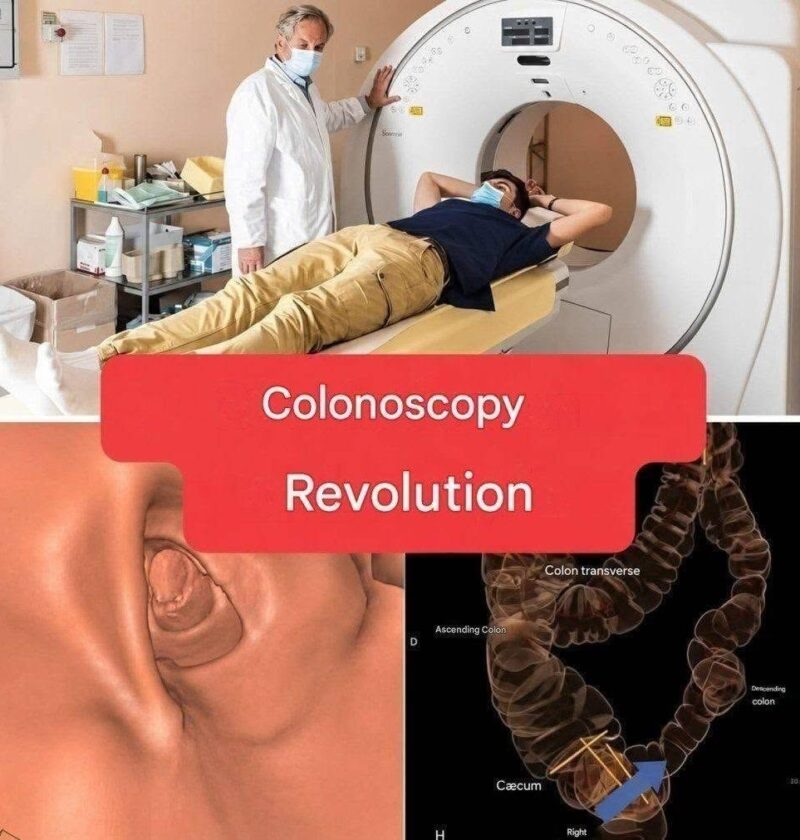
A headline like “New method: colonoscopy will no longer be an invasive examination” is likely oversimplified.A traditional colonoscopy—performed with a flexible camera inserted into the colon—is still the standard test because it allows doctors not only to look for abnormalities but also to remove polyps and take biopsies during the same procedure.
However, researchers and clinicians have been developing and using less-invasive alternatives, such as:
- CT Colonography (“virtual colonoscopy”), which uses CT scans to create images of the colon.
- Capsule Endoscopy, where a patient swallows a small camera capsule.
- Fecal Immunochemical Test, a stool test used for colorectal cancer screening.
- Multitarget Stool DNA Test, which looks for blood and abnormal DNA markers in stool.
These options can reduce or avoid the invasiveness of a standard colonoscopy, but they have limitations. If they find something suspicious, a conventional colonoscopy is often still needed for confirmation, biopsy, or treatment.
So the accurate takeaway is not that colonoscopy has been replaced, but that less-invasive screening and diagnostic options are becoming more available and effective for some patients. The best choice depends on a person’s age, risk factors, symptoms, and local availability.