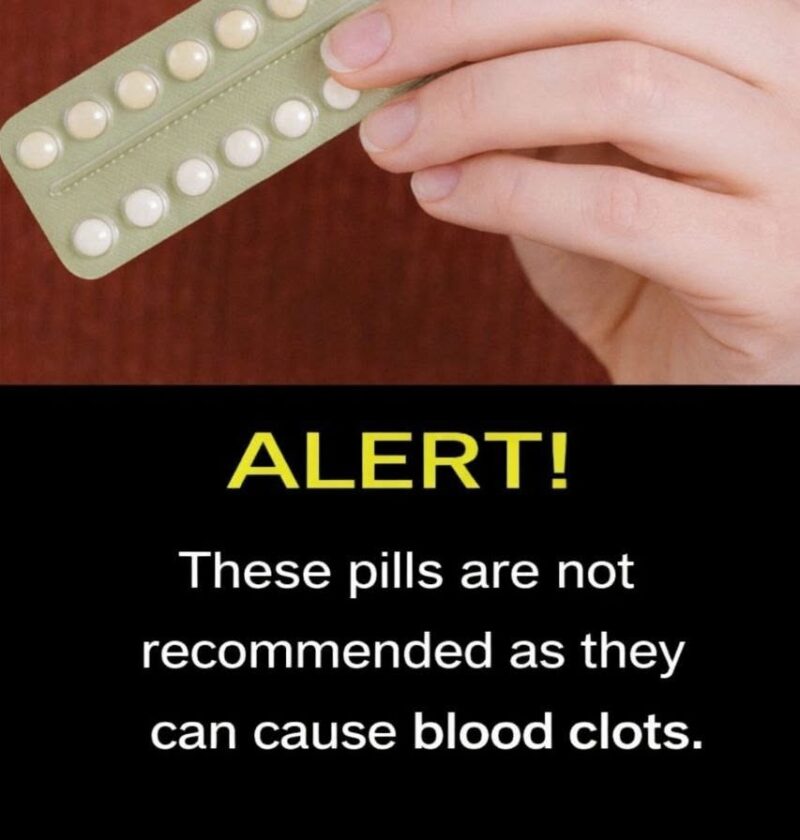
It looks like your sentence got cut off, but the warning you’re referring to is important. Let’s clarify it safely.
If a product (like tablets or supplements) is being described as “not recommended because they may cause blood clots”, that usually means there is concern about increased risk of thrombosis (blood clot formation)—but the truth depends heavily on which specific medication or supplement it is.
Different substances have very different risks. For example:
- Some hormone-based medications (like certain contraceptives or hormone therapy) can increase clot risk in some people.
- Some weight-loss or “fat-burning” tablets have unsafe or unregulated ingredients.
- Certain stimulants or herbal supplements can affect blood pressure and circulation in rare cases.
However, it is not possible or safe to judge the warning without knowing the exact name of the tablets.
⚠️ Important safety note
- Never stop prescribed medication suddenly based only on a warning you saw online.
- “May cause blood clots” is usually a risk statement, not a certainty.
- The actual risk depends on dose, health conditions, age, smoking status, and medical history.
🚨 When to seek urgent help
If someone is taking a medication and develops:
- Swelling or pain in one leg
- Sudden chest pain or shortness of breath
- Sudden severe headache or vision changes
They should seek emergency medical care immediately.
👍 What you should do next