Older adults: what vitamins can (and cannot) do for leg circulation and blood clotting support
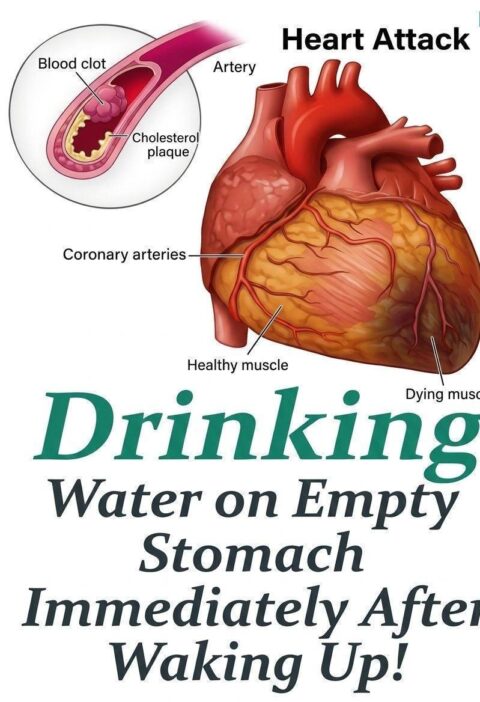
Headlines suggesting that one vitamin can dramatically improve leg circulation or prevent blood clots are often exaggerated. Vitamins are important for normal body functions, but no vitamin can replace medical treatment for circulation problems or dissolve existing blood clots.
Some nutrients that play roles in vascular, blood, and muscle health include:
1. Vitamin D
- Supports muscle strength and function, which can help mobility and overall leg health.
- Correcting a vitamin D deficiency may improve some aspects of physical function.
- It is not a blood thinner and is not proven to prevent clots on its own.
2. Vitamin K
- Essential for normal blood clotting.
- People taking the anticoagulant Warfarin need to keep vitamin K intake consistent because large changes can affect how the medication works.
3. Vitamin B12
- Helps maintain healthy nerves and red blood cells.
- A deficiency can contribute to weakness, numbness, or balance problems that may affect walking and independence.
4. Vitamin C
- Supports collagen production, which helps maintain healthy connective tissue and blood vessel structure.
- Getting enough through a balanced diet is usually preferable.
Habits with stronger evidence for supporting leg circulation:
- Walking and regular leg movement
- Strength exercises to maintain muscle
- Avoiding long periods of sitting still
- Managing blood pressure, cholesterol, and blood sugar
- Not smoking
- Following prescribed treatment for vascular conditions
Seek urgent medical care for possible clot symptoms:
- Sudden swelling in one leg
- Calf pain with warmth or redness
- Sudden chest pain or shortness of breath
If you know which specific vitamin the headline is referring to (for example, vitamin D, K, B12, or another), I can explain what research actually shows about it.