Small White Spots on Arms and Legs: What They Could Mean and When to Worry
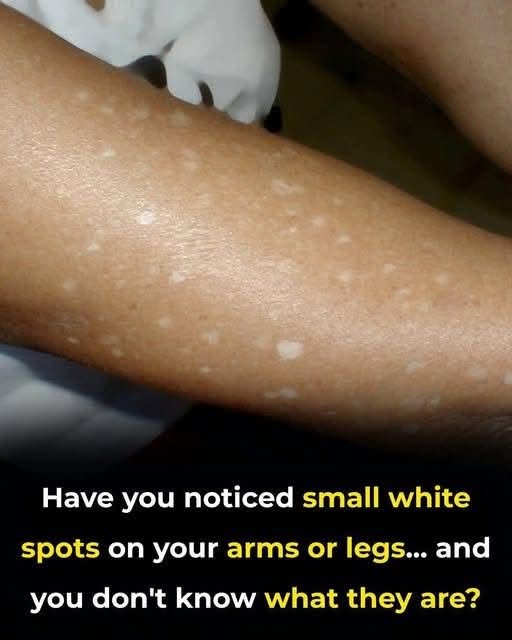
Small white spots on the arms and legs are a common skin concern and can appear for several different reasons. While many causes are harmless, some may need medical attention depending on how the spots look, spread, and feel.
Below is a clear, medically informed overview of the most common possibilities.
1. Idiopathic Guttate Hypomelanosis (Age-Related White Spots)
This is one of the most common causes of small white spots, especially in adults.
Key features:
- Tiny white or light patches (often 2–5 mm)
- Common on sun-exposed areas like arms and legs
- More frequent with age
- Not painful or itchy
Cause:
Believed to be linked to long-term sun exposure and natural skin aging, which reduces pigment production in small areas of skin.
2. Vitiligo (Loss of Skin Pigment)
Vitiligo is an autoimmune condition where pigment-producing cells (melanocytes) are destroyed.
Key features:
- Well-defined white patches
- Can start small and slowly spread
- May affect both sides of the body symmetrically
- Hair in the area may also turn white
Important note:
Vitiligo is not contagious and does not cause physical pain, but it may progress over time.
3. Tinea Versicolor (Fungal Skin Infection)
Tinea versicolor is a mild fungal infection caused by yeast overgrowth on the skin.
Key features:
- Light or dark patches on skin
- Slight scaling or fine flakes
- More visible after sun exposure
- Common on chest, back, arms, and shoulders
Cause:
Overgrowth of naturally occurring skin yeast (Malassezia).
4. Post-Inflammatory Hypopigmentation
This occurs when skin loses pigment after healing from injury or inflammation.
Causes include:
- Acne
- Eczema
- Cuts or burns
- Skin irritation or rash
Key features:
- Light spots where skin was previously damaged
- Gradual fading over time in many cases
5. Dry Skin and Pityriasis Alba
Pityriasis alba is common in children and young adults.