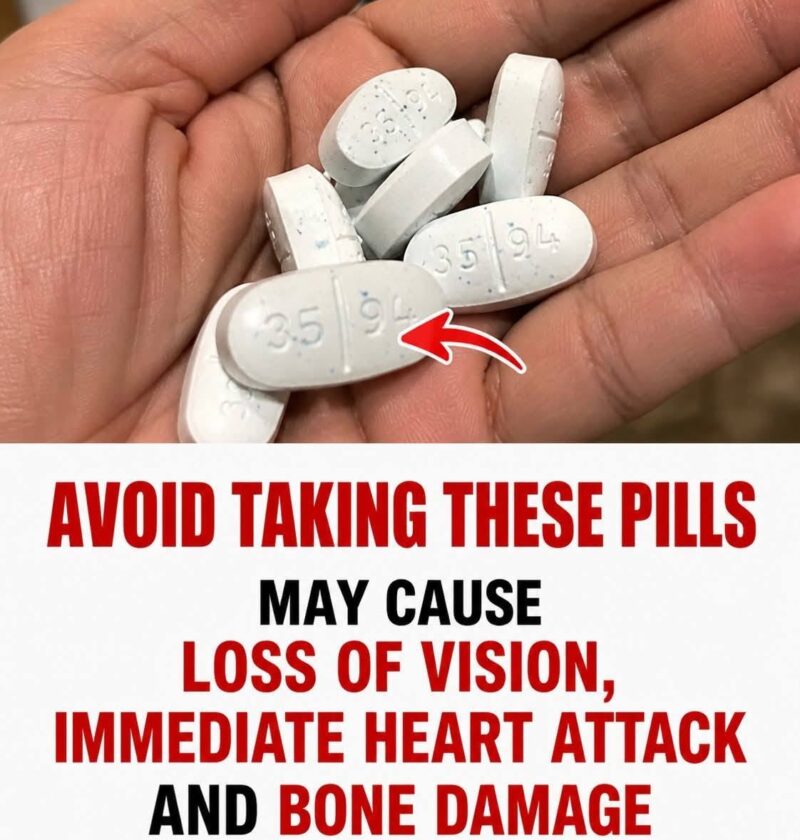
That kind of warning headline is designed to sound alarming, but it’s not medically reliable without specifying the exact medication.
Different tablets have completely different risks—some increase clot risk, others reduce it, and many have no meaningful effect on clotting at all.
The key issue here
Terms like “blood clots” and “heart attacks” are serious, but they only apply to specific drugs in specific situations, for example:
- Some hormonal medications (like certain estrogen-containing contraceptives or hormone therapy)
- Some cancer treatments
- Rare side effects from certain anti-inflammatory drugs in high-risk patients
But many viral posts use this wording broadly, which is misleading.
What matters medically
To evaluate risk, you always need:
- The exact drug name
- The person’s age and health conditions
- Dose and duration of use
- Other risk factors (smoking, diabetes, prior clot history, etc.)
Without that, the claim is essentially meaningless.
Important safety point
If a medication truly has a clot risk, regulators like the FDA or EMA require:
- Clear labeling
- Specific warning sections
- Defined risk levels (not blanket “it causes heart attacks” statements)
Bottom line