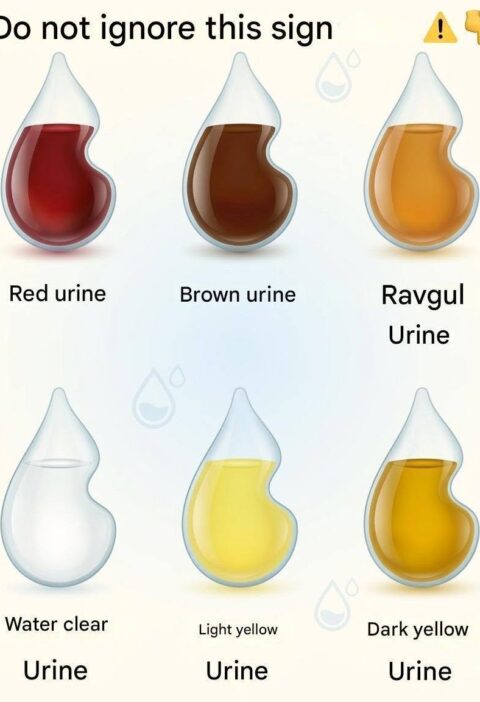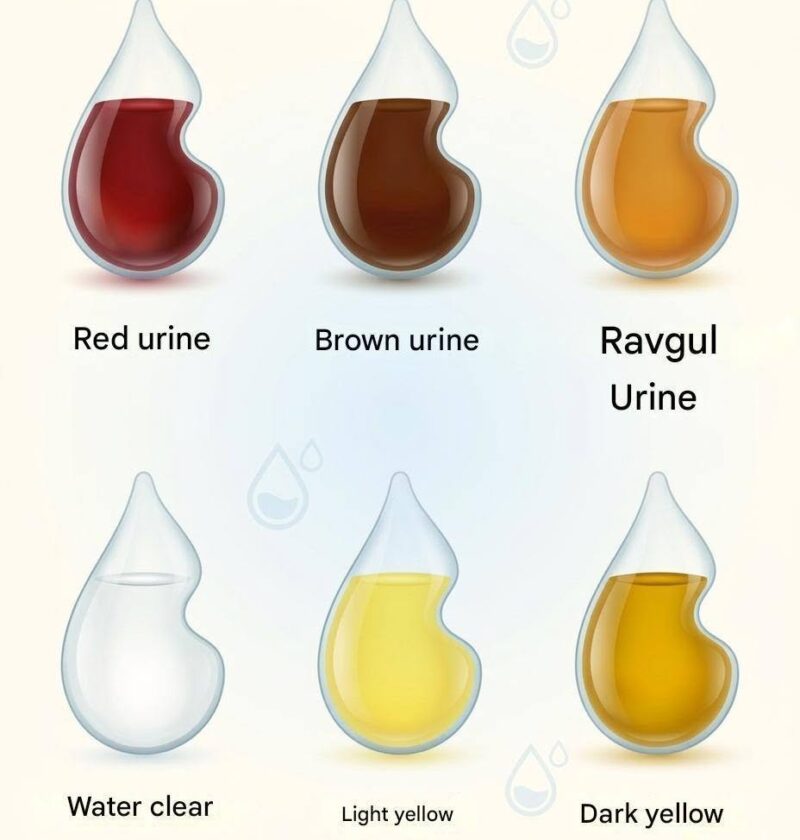
Urine color can offer clues about hydration, diet, medications, and sometimes underlying health conditions. A single unusual color isn’t always cause for concern, but persistent changes or symptoms like pain, fever, or blood should be evaluated by a healthcare professional.
Here’s a general guide:
| Urine color | What it may mean |
|---|---|
| Clear | You may be very well hydrated, or possibly drinking more water than your body needs. |
| Pale yellow to light gold | Typically considered a sign of normal hydration. |
| Dark yellow or amber | Often indicates dehydration. Drinking fluids may return the color to normal. |
| Honey or brown | Can result from significant dehydration, certain foods or medications, or liver problems. If it doesn’t improve with hydration, seek medical evaluation. |
| Pink or red | May be caused by foods like beets or berries, but it can also indicate blood in the urine, which should be evaluated promptly. |
| Orange | Can result from dehydration, certain vitamins (especially high-dose vitamin B2), medications, or occasionally liver or bile duct problems. |
| Blue or green | Rare. May be caused by food dyes, certain medications, or, less commonly, specific medical conditions or infections. |
| Cloudy or milky | May indicate a Urinary tract infection, kidney stones, or the presence of minerals or protein. If accompanied by pain, fever, or burning during urination, see a healthcare provider. |
Other things that affect urine color
- Foods: Beets, blackberries, rhubarb, and foods with artificial coloring can temporarily change urine color.
- Medications: Some antibiotics, laxatives, chemotherapy drugs, and other medications can alter urine color.
- Vitamins: High doses of B vitamins can make urine appear bright yellow or almost fluorescent.
When to seek medical care
Contact a healthcare provider promptly if you notice:
- Red or cola-colored urine that isn’t explained by food
- Persistent dark brown urine
- Cloudy urine with pain, fever, or a strong odor
- Painful urination or difficulty urinating
- Urine color changes that last several days without an obvious cause
In general, pale yellow urine is a good sign that you’re adequately hydrated. Urine color is only one piece of the picture, so it should be interpreted alongside your symptoms and overall health.