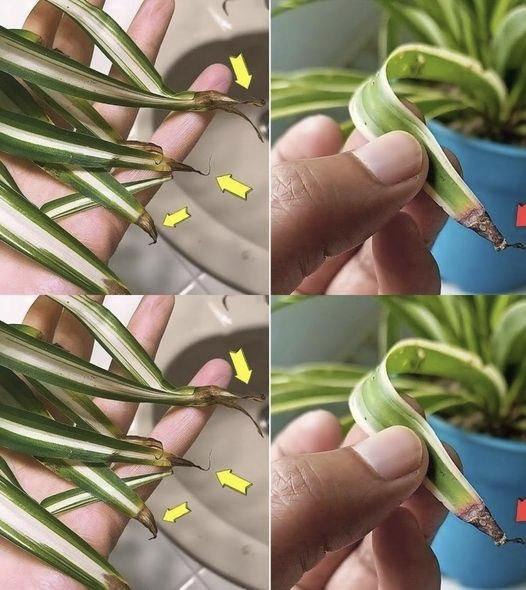
Brown tips on herbaceous plants are usually a sign that the leaf tissue at the edges is dying. The most common causes are:
- Water stress
- Underwatering: Dry soil causes the plant to lose moisture faster than it can replace it, so leaf tips dry out first.
- Overwatering: Roots can suffocate and rot, reducing water uptake and causing similar browning.
- Low humidity
- Many soft-stemmed houseplants lose water quickly in dry indoor air, especially near heaters or air conditioners.
- Salt or fertilizer buildup
- Excess fertilizer or minerals from tap water accumulate in the soil and “burn” leaf edges.
- Poor water quality
- Chlorine, fluoride, or high dissolved salts in water can damage sensitive plants.
- Nutrient deficiencies
- Lack of potassium or other nutrients may cause marginal browning.
- Sunburn or heat stress
- Strong direct sunlight or hot winds can scorch delicate leaves.
- Disease or pests
- Fungal infections, bacterial problems, spider mites, or thrips can also lead to brown tips.
- Natural aging
- Older leaves sometimes develop brown tips before dying naturally.
To diagnose it, check:
- Soil moisture
- Drainage
- Humidity
- Fertilizer frequency
- Light exposure
- Presence of pests
If you tell me the specific plant and its growing conditions, I can help narrow down the exact cause.