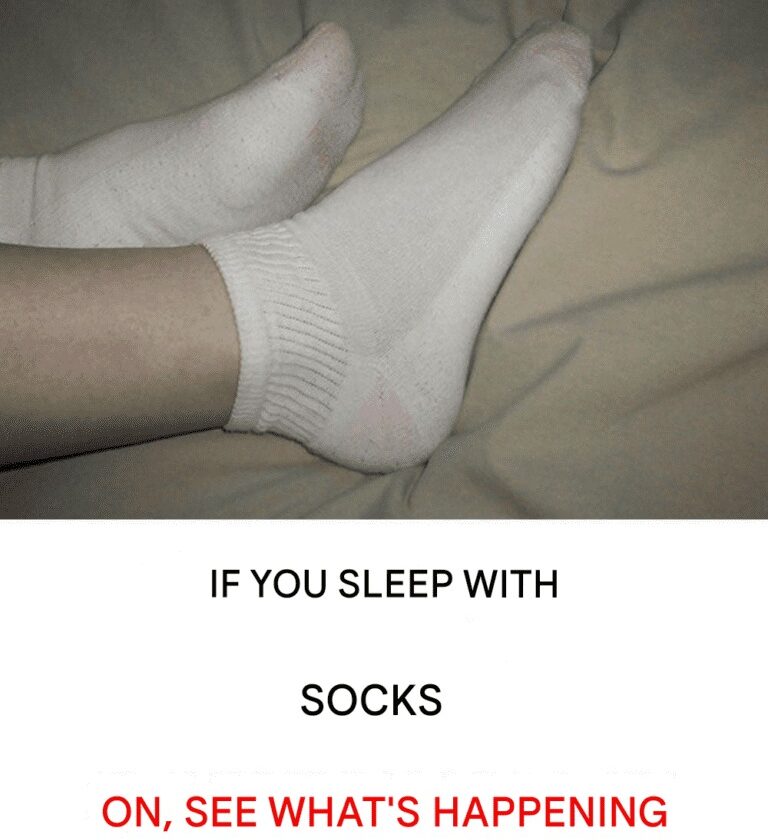
Seniors wearing socks at home isn’t just about comfort—it can support health, safety, and overall well-being. Here are the main reasons:
Warmth and temperature control
As people age, circulation tends to slow down, especially in the feet. This can make seniors feel cold more easily. Socks help maintain steady warmth, which is important because being cold can increase muscle stiffness and discomfort.
Better circulation support
Warm feet encourage blood flow. In seniors with conditions like poor circulation or diabetes, keeping the feet warm can help reduce discomfort such as numbness, tingling, or cramping.
Protection from injuries
Walking barefoot at home increases the risk of small cuts, scrapes, or bruises—especially on hard floors or around furniture edges. Socks act as a simple protective layer.
Reduced fall risk (with the right socks)
Bare feet or slippery floors can increase the chance of slipping. Non-slip socks with rubber grips on the bottom can improve stability and reduce fall risk, which is especially important for older adults.
Foot health and hygiene
Socks help absorb sweat and reduce direct contact with dust, dirt, or microbes on floors. This is helpful for preventing skin irritation and infections, particularly if the skin is thin or sensitive.
Comfort for medical conditions
Conditions like diabetes, arthritis, or nerve damage (neuropathy) can make feet more sensitive or less aware of pressure and pain. Soft socks reduce friction and make movement more comfortable.
Better sleep and relaxation
Wearing socks at home—even while resting—can help some seniors relax more easily, since warm feet are linked to improved sleep onset in many people.
If you want, I can also suggest the best types of socks for seniors (like diabetic socks or anti-slip indoor socks) based on comfort and safety.