10 Indicators of Blocked Arteries You Shouldn’t Ignore
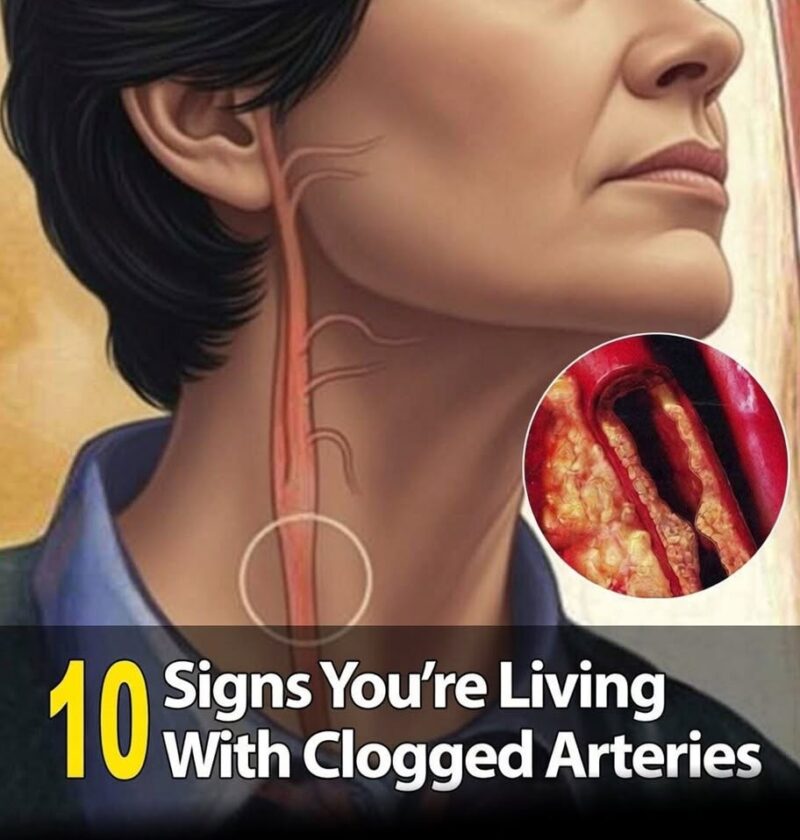
Blocked or narrowed arteries can reduce blood flow to important organs, especially the heart and brain. This process is often caused by atherosclerosis, where fatty deposits (plaque) build up inside artery walls. Some people have few symptoms until the blockage becomes significant, so recognizing warning signs matters.
Here are 10 possible indicators of artery problems that should not be ignored:
1. Chest pressure, tightness, or discomfort
A common warning sign of reduced blood flow to the heart is:
- Pressure or squeezing in the chest
- A feeling of heaviness or fullness
- Discomfort that appears during activity and improves with rest
This can be a sign of angina and should be evaluated.
2. Pain spreading to the arm, shoulder, neck, jaw, or back
Heart-related artery problems may cause discomfort beyond the chest, especially:
- Left arm pain
- Shoulder discomfort
- Jaw or neck pain
- Upper back pressure
3. Shortness of breath
When the heart does not receive enough oxygen-rich blood, you may feel:
- Breathless during normal activities
- More tired than usual
- Unable to exercise as you once could
4. Unusual fatigue
Extreme tiredness without a clear reason—especially with chest discomfort, breathlessness, or weakness—can sometimes be a sign of reduced circulation.
5. Dizziness or fainting
Reduced blood flow to the heart or brain may cause:
- Lightheadedness
- Feeling faint
- Episodes of passing out
Sudden or severe symptoms require urgent medical attention.
6. Leg pain while walking
Blocked arteries in the legs (peripheral artery disease) may cause:
- Cramping or aching in the calves, thighs, or hips while walking
- Pain that improves with rest
- Cold feet or slow-healing wounds
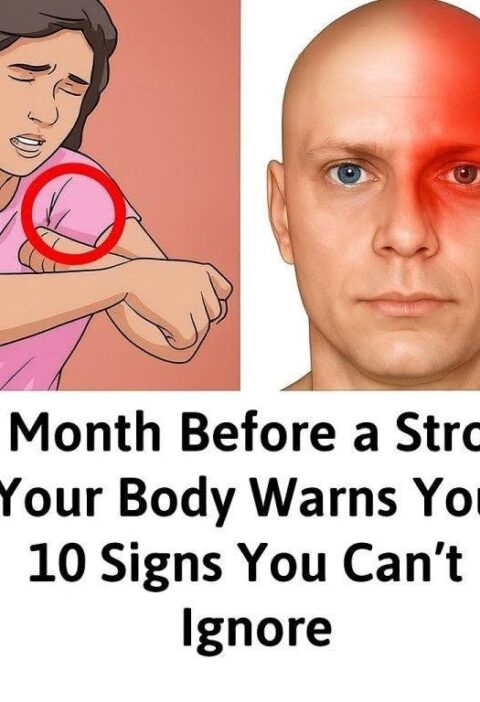
7. Numbness, weakness, or trouble speaking
A blockage affecting arteries supplying the brain can cause stroke warning signs:
- Sudden weakness on one side
- Facial drooping
- Trouble speaking
- Confusion
- Sudden vision changes
These symptoms require emergency care.
8. Erectile dysfunction (in some men)
Narrowed blood vessels can reduce blood flow and may sometimes appear as erectile difficulties before other circulation symptoms develop.
9. Heart palpitations or irregular heartbeat sensations
While palpitations have many causes, they may occur alongside heart conditions and should be checked if they are new, frequent, or accompanied by chest pain or dizziness.
10. Coldness, color changes, or slow-healing wounds
Poor circulation may cause:
- Cold hands or feet
- Pale or bluish skin changes
- Wounds that heal slowly, especially on the feet or legs