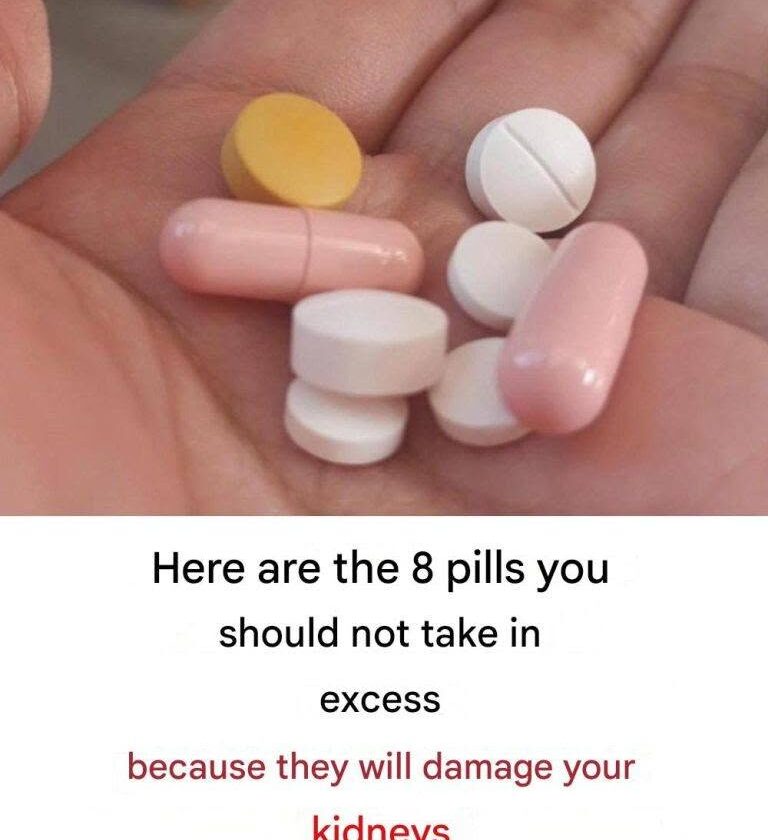
That kind of headline is usually exaggerated. There aren’t “eight specific pills everyone should avoid,” but it is true that certain medications can damage the kidneys if misused, overused, or taken without medical supervision—especially in high doses or in people with existing kidney problems.
Here are common medication groups that can affect kidney health:
1. Painkillers (NSAIDs)
Examples: Ibuprofen, Diclofenac, Naproxen
- Can reduce blood flow to the kidneys
- Risk increases with long-term or high-dose use
- More dangerous if dehydrated or elderly
2. Some antibiotics
Examples: Gentamicin, Amikacin, Vancomycin
- Used for serious infections
- Can be toxic to kidney tissue if not closely monitored
3. Contrast dyes (used in scans)
- Used in CT scans or angiography
- Can temporarily stress kidneys, especially in at-risk patients
4. Diuretics (“water pills”)
Examples: Furosemide, Hydrochlorothiazide
- Can cause dehydration or electrolyte imbalance if misused
5. Certain blood pressure medicines
Examples: ACE inhibitors (like Enalapril), ARBs (like Losartan)
- Usually kidney-protective long-term, but can worsen kidney function in some conditions or dehydration
6. Proton pump inhibitors (acid reducers)
Examples: Omeprazole, Pantoprazole
- Long-term heavy use has been linked in some studies to kidney inflammation (rare but possible)
7. Lithium (for mood disorders)
- Requires regular blood monitoring
- Can accumulate and damage kidneys over time
8. Herbal / “natural” remedies (often overlooked)
- Some traditional or herbal products may contain hidden toxins or heavy metals
- Examples vary widely and are unpredictable in quality
Important reality check
- Most of these drugs are safe when used correctly and prescribed properly
- Kidney damage risk usually comes from:
- long-term overuse
- dehydration
- self-medication
- ignoring dosage instructions
When to be careful
You should be extra cautious if you have:
- diabetes
- high blood pressure
- existing kidney disease
- frequent dehydration
If you want, I can tell you which everyday painkiller is safest for kidneys or how to protect kidney health in daily life.