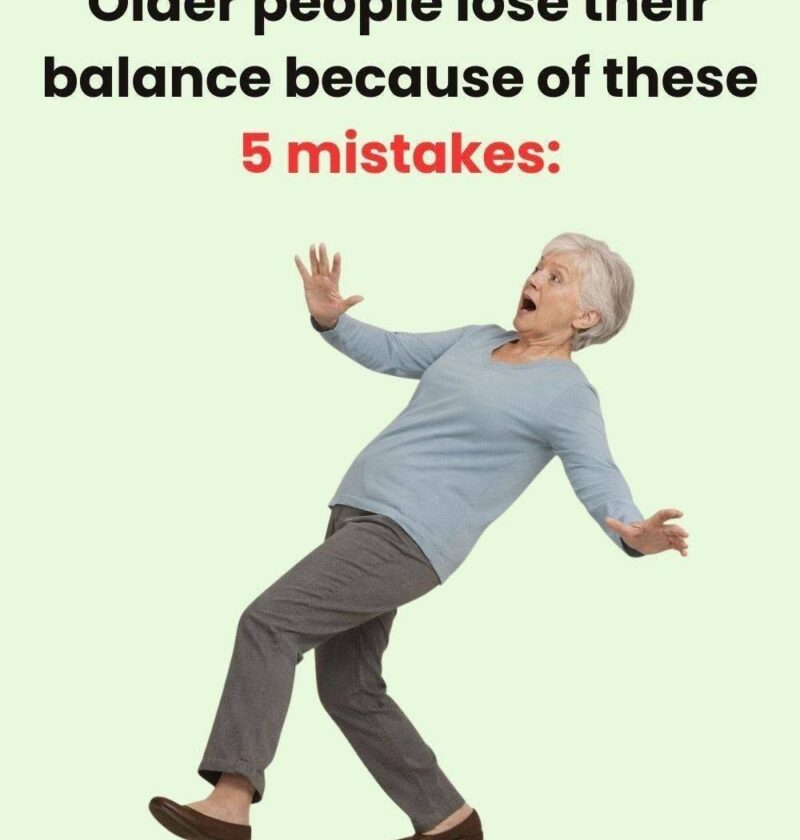
Common Mistakes That Affect Balance in Older Adults
Balance problems are common as people age, but many factors that increase fall risk can be improved. Small daily habits, health issues, and environmental risks can all affect stability.
1. Avoiding exercise because of fear of falling
A common mistake is becoming less active after a fall or near-fall. Too little movement can lead to:
- Weaker leg muscles
- Reduced flexibility
- Poorer coordination
Helpful habits:
- Walking regularly
- Strength exercises
- Balance training appropriate for your ability
2. Wearing unsafe footwear
Shoes that are:
- Loose
- Slippery
- Worn out
- Lacking support
can make walking less stable.
Choose shoes with:
✅ Good grip
✅ A secure fit
✅ Proper support
3. Ignoring vision changes
Poor eyesight can make it harder to notice:
- Steps
- Obstacles
- Uneven surfaces
Regular eye exams and updated glasses can help reduce risk.
4. Standing up too quickly
A sudden drop in blood pressure when changing position can cause:
- Dizziness
- Lightheadedness
- Unsteadiness
Try sitting briefly before standing, especially after lying down.
5. Not reviewing medications
Some medicines may contribute to:
- Drowsiness
- Dizziness
- Low blood pressure
- Slower reactions
Ask a healthcare professional or pharmacist to review medications if balance changes occur.
6. Ignoring muscle weakness
Strong legs and core muscles help with:
- Walking
- Climbing stairs
- Recovering from a stumble
Simple strength exercises can help maintain mobility