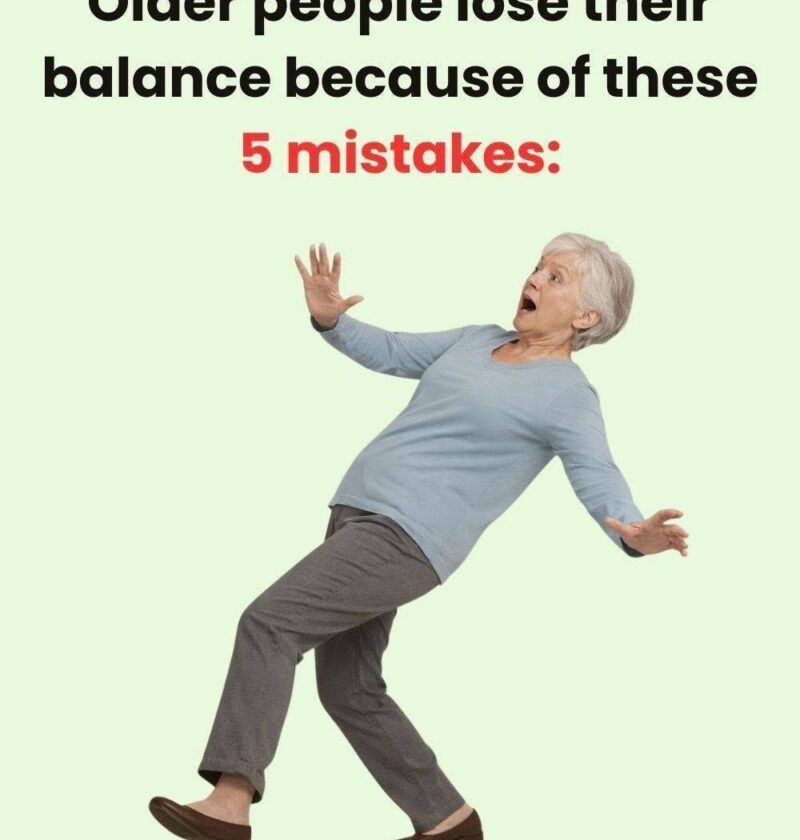
Common Mistakes That Affect Balance in Older Adults
Balance problems become more common as people age, but many falls and mobility issues are linked to preventable habits, health factors, and environmental risks. Understanding these common mistakes can help older adults stay steadier and more independent.
1. Avoiding Exercise Completely
A common mistake is thinking that staying still protects against falls. In reality, lack of movement can lead to:
- Weaker leg muscles
- Reduced flexibility
- Poor coordination
- Less confidence when walking
Safe activities such as walking, strength exercises, tai chi, or balance training can help maintain stability.
2. Wearing Unsafe Footwear
Shoes can have a major impact on balance.
Problems include:
- Slippery soles
- Loose slippers
- High heels
- Shoes without proper support
Choose well-fitting shoes with good grip and support, especially when walking outdoors.
3. Ignoring Vision Problems
Good eyesight is essential for balance. Untreated vision issues can increase the risk of trips and falls.
Regular eye checks can help identify:
- Cataracts
- Poor vision correction
- Depth perception problems
4. Taking Medicines Without Reviewing Side Effects
Some medicines can affect balance by causing:
- Dizziness
- Sleepiness
- Low blood pressure
- Confusion
Older adults should regularly review their medicines with a healthcare professional, especially if they notice new dizziness or unsteadiness.
5. Not Training Leg Strength
Strong muscles help the body recover when balance is challenged.
Weakness in the:
- Thighs
- Hips
- Ankles
can make everyday movements harder, such as climbing stairs or getting up from a chair.
6. Poor Home Safety
Many falls happen at home due to hazards such as:
- Loose rugs
- Cluttered walkways
- Poor lighting
- Slippery bathroom surfaces
- Missing handrails
Simple changes can make a home much safer.
7. Standing Up Too Quickly
Some older adults experience a sudden drop in blood pressure when moving from sitting or lying down to standing.
This may cause:
- Light-headedness
- Dizziness
- Feeling faint
Taking a moment to sit on the edge of the bed or chair before standing can help.
8. Ignoring Balance Changes
A gradual decline in balance is sometimes dismissed as “normal ageing,” but it may be linked to:
- Inner ear problems
- Nerve conditions
- Muscle weakness
- Medication effects
- Joint problems
Early assessment can help identify the cause and improve safety.
9. Poor Nutrition and Dehydration
Not getting enough fluids, protein, and essential nutrients can contribute to:
- Muscle weakness
- Fatigue
- Reduced concentration
Staying hydrated and eating a balanced diet support strength and coordination.
10. Using Walking Aids Incorrectly
Canes and walkers can improve safety when used correctly. However, the wrong height or incorrect technique can actually increase fall risk.
A healthcare professional or physiotherapist can help ensure proper use.
Simple Ways to Improve Balance
✅ Exercise regularly
✅ Strengthen legs and core muscles
✅ Check vision and hearing regularly
✅ Keep floors clear and well lit
✅ Wear supportive shoes
✅ Review medications with a healthcare provider
✅ Stay hydrated and eat enough protein