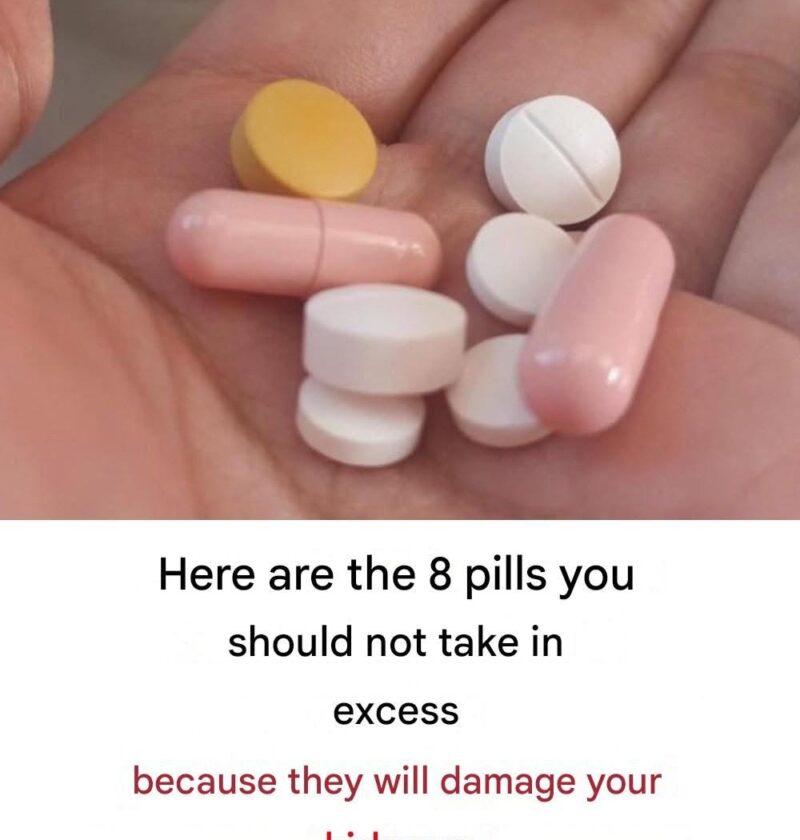
The statement “Eight pills you shouldn’t take because they damage your kidneys” needs some context: most medications are safe when used correctly, but certain drugs can stress the kidneys or cause kidney injury in some people, especially at high doses, with dehydration, or in people who already have kidney problems.
Here are 8 common medication categories that can affect kidney function:
- Nonsteroidal anti-inflammatory drugs (NSAIDs)
- Examples: ibuprofen, naproxen, diclofenac
- Can reduce blood flow to the kidneys and may trigger acute kidney injury, especially with dehydration, older age, or existing kidney disease.
- Certain antibiotics
- Examples: aminoglycosides (such as gentamicin) and some others
- Some antibiotics can be toxic to the kidneys or require dose adjustments based on kidney function.
- High-dose aspirin
- Low-dose aspirin prescribed for heart protection is different from frequent high-dose use for pain.
- Regular high doses can affect kidney function in some people.
- Proton pump inhibitors (PPIs)
- Examples: omeprazole, pantoprazole, esomeprazole
- Rarely associated with kidney inflammation (acute interstitial nephritis) and, in some studies, with kidney problems during long-term use.
- Certain blood pressure medications
- Examples: ACE inhibitors and ARBs (such as lisinopril or losartan)
- These are often kidney-protective in conditions like diabetes, but they can cause changes in kidney function or potassium levels that need monitoring.
- Diuretics (“water pills”)
- Examples: furosemide, hydrochlorothiazide
- They can contribute to dehydration, which may strain the kidneys if fluid levels drop too much.
- Some antiviral medications
- Certain antivirals can affect kidney function and may require monitoring.
- Certain contrast agents and medications used around medical procedures
- Some imaging contrast dyes and other drugs can pose kidney risks in vulnerable people.
People who should be especially careful:
- Those with chronic kidney disease
- Older adults
- People who are dehydrated (vomiting, diarrhea, heavy sweating)
- People taking multiple medications
- Those with diabetes or heart failure
Protect your kidneys:
- Avoid taking pain relievers like NSAIDs daily unless advised by a clinician.
- Stay hydrated, especially during illness or hot weather.
- Have kidney function checked when taking medications that require monitoring.
- Tell your healthcare provider about all prescription drugs, over-the-counter medicines, and supplements.
If you want, I can also provide a list of common over-the-counter medicines and supplements that can be risky for kidneys.