Full Guide to Finger-Length Personality Myths and Hand Reading Psychology
Understanding the Popular “Pinky Finger Personality Test” Trend
You’ve probably seen posts claiming that the length of your pinky finger can reveal hidden personality traits. These viral ideas are often shared under headlines like “what your pinky finger says about your personality”, “hand shape personality test meaning”, and “finger length personality psychology explained.”
The claim suggests that a small physical detail—specifically the length of your little finger—can offer insight into confidence, communication style, leadership ability, or emotional behavior. While this idea is popular in social media psychology trends, it is important to separate entertainment from science.
In reality, there is no scientific evidence that pinky finger length directly determines personality traits. However, the fascination with such tests is rooted in human psychology, pattern recognition, and personality projection.
Why People Believe Physical Features Reflect Personality
Humans naturally try to connect physical traits with behavior. This tendency is known as physiognomy, an old belief system that attempts to link appearance with character.
Modern psychology, however, does not support personality judgments based on physical features like finger length. Instead, personality is shaped by a combination of:
- Genetics
- Environment
- Childhood experiences
- Social influences
- Education and culture
Still, personality quizzes based on body features remain popular because they are fun, quick, and feel personally meaningful.
The Science Behind Finger Length: What Research Actually Says
While pinky finger length is not linked to personality, some hand-related studies do exist in science—but they focus on different aspects.
Researchers have studied:
- Index-to-ring finger ratio (2D:4D ratio)
- Hormonal exposure before birth
- Grip strength and physical ability
Even these studies do not reliably determine personality traits.
So when it comes to pinky finger length specifically, there is no validated psychological model connecting it to behavior or character.
Common Viral Interpretations of Pinky Finger Length
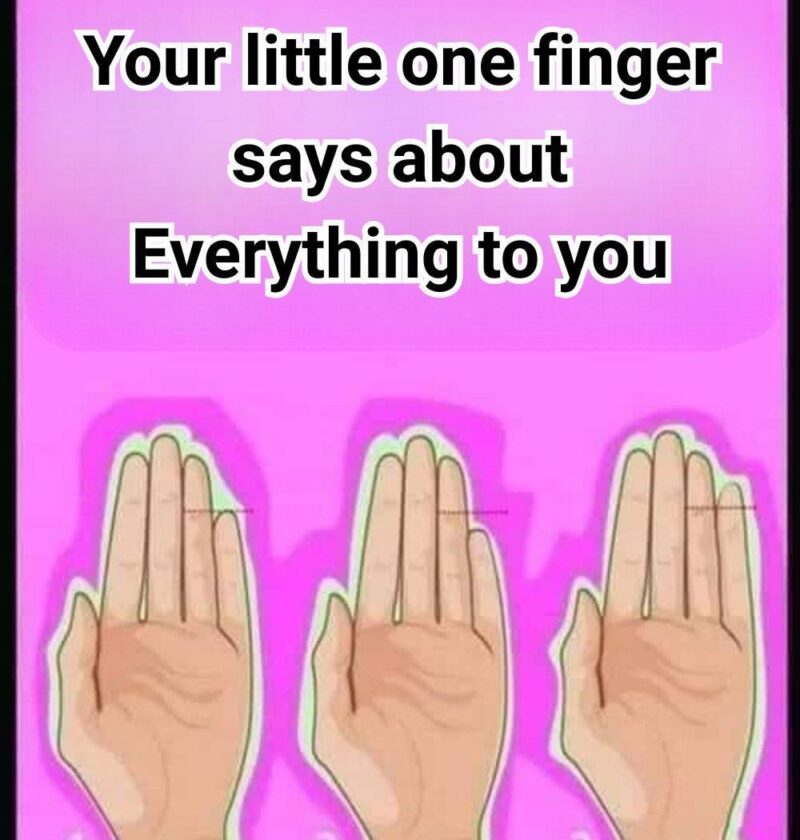
Despite the lack of scientific backing, online personality charts often categorize pinky finger lengths into symbolic personality types:
1. Short Pinky Finger (Below Ring Finger Joint)
Often described in viral posts as:
- Independent thinker
- Emotionally reserved
- Quiet but observant
2. Medium Pinky Finger (Around Ring Finger Joint)
Commonly labeled as:
- Balanced personality
- Good communicator
- Socially adaptable
3. Long Pinky Finger (Above Ring Finger Joint)
Often claimed to indicate:
- Confident communicator
- Leadership traits
- Expressive personality
These interpretations are popular in entertainment psychology but should not be taken as factual personality assessments.
Why These “Personality Tests” Feel Accurate
Many people feel that these descriptions are surprisingly relatable. This happens due to a psychological effect called the Barnum effect, where vague statements feel personally accurate because they are broad enough to apply to many people.
For example, traits like:
- “Sometimes social, sometimes quiet”
- “Independent but enjoys company”
can apply to almost anyone, making the reading feel meaningful.
What Really Shapes Personality Traits
Modern psychology defines personality based on structured models such as the Big Five personality traits, which include:
- Openness
- Conscientiousness
- Extraversion
- Agreeableness
- Neuroticism
These traits are measured through behavior, not physical features like finger length.
Cultural Influence of Hand Reading and Personality Tests
The idea of reading personality from hands is not new. It appears in various cultural traditions, including:
- Palm reading practices
- Astrology-based personality systems
- Folk psychology beliefs
These systems are often used for entertainment, reflection, or storytelling rather than scientific prediction.
Should You Trust Pinky Finger Personality Tests?
From a scientific standpoint:
- ❌ No evidence supports personality prediction from finger length
- ❌ Not used in psychology or psychiatry
- ❌ Not a reliable personality assessment tool
However:
- ✔ Can be fun and entertaining
- ✔ May encourage self-reflection
- ✔ Often used in social media quizzes
Final Thoughts on Pinky Finger Personality Myths
The idea that your pinky finger length reveals deep personality secrets is an interesting internet trend, but it is not supported by scientific research. Personality is complex and shaped by many real-life factors, not physical measurements of the hand.
These tests are best viewed as light entertainment rather than meaningful psychological analysis.
If you enjoy them, treat them as fun personality games—not factual assessments.
Part 2: Simple Summary Guide
What Your Pinky Finger “Test” Really Means
- Short pinky: often described as quiet or independent (not scientifically proven)
- Medium pinky: balanced and social (entertainment-based claim)
- Long pinky: confident communicator (myth-based interpretation)
Important Truth
- No scientific link between finger length and personality
- Personality is shaped by behavior and psychology, not hand shape