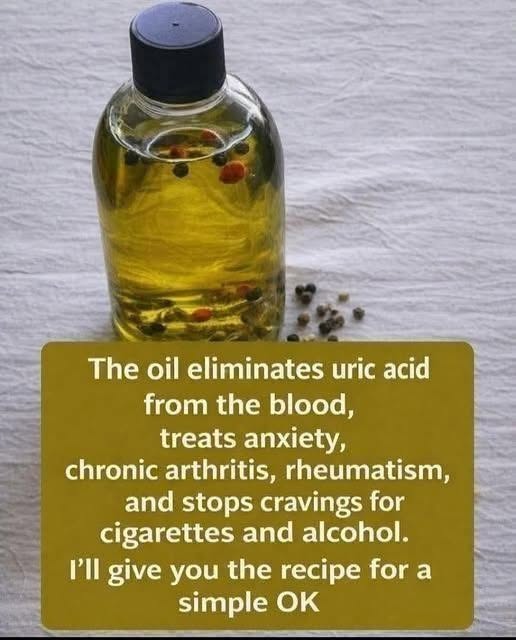
Miracle Oil! What It Really Means and the Truth Behind the ClaimThe phrase “Miracle Oil” is often used in advertisements and social media to promote different types of oils—such as coconut oil, castor oil, olive oil, or herbal oil blends—claiming they can cure many problems quickly or completely.However, in reality, there is no single oil that can act as a miracle cure for all health or beauty issues.
Why It’s Called “Miracle Oil”
Marketers use this term to attract attention by suggesting an oil can:
- grow hair instantly
- remove wrinkles
- cure skin diseases
- reduce pain
- improve overall health
These claims are usually exaggerated to make the product sound more powerful than it really is.
What Oils Can Actually Do
Some natural oils do have real benefits when used properly:
1. Coconut Oil
- moisturizes dry skin
- helps reduce hair dryness
- has mild antibacterial properties
2. Olive Oil
- rich in antioxidants
- supports skin hydration
- used in cooking for heart-healthy fats
3. Castor Oil
- used for dry skin and hair care
- sometimes used for constipation (medically guided use only)
4. Essential Oils (Diluted)
- may support relaxation
- used in aromatherapy
- must always be diluted before use
What Oils Cannot Do
Despite online claims, oils do NOT:
- cure serious diseases
- permanently remove wrinkles overnight
- regrow hair instantly
- detox the body
- replace medical treatment
Possible Risks
Using oils incorrectly can cause:
- skin irritation or allergies
- clogged pores (in some skin types)
- reactions if used undiluted (especially essential oils)
The Reality Behind “Miracle” Claims
When something is called a “miracle,” it usually:
- lacks strong scientific proof
- is based on marketing language
- exaggerates small benefits
Conclusion
“Miracle oil” is not a real medical category—it is a marketing term. While natural oils can support skin, hair, and general wellness, they are not magical cures. For real health or skin concerns, proven treatments and professional advice are always more reliable.