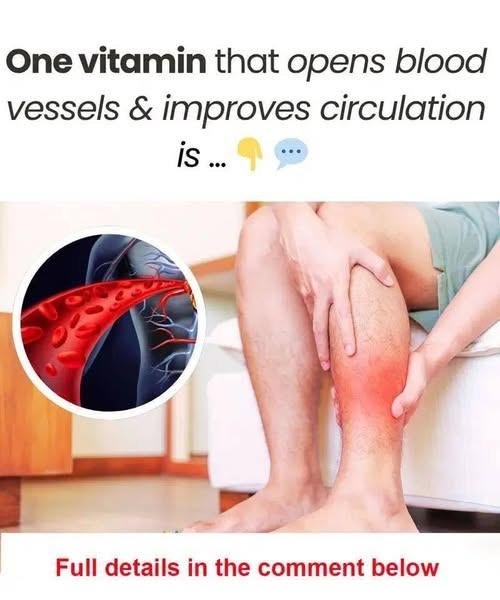
If you mean a vitamin that may support healthy blood vessels and circulation, there isn’t a single vitamin that reliably “opens” blood vessels like a medication would. However, some vitamins play important roles in vascular health:
- Vitamin B3 (niacin): In prescription doses, niacin can cause vasodilation (a flushing sensation from widened blood vessels). It is not generally recommended to take high doses for circulation without medical guidance because it can cause side effects, including liver problems.
- Vitamin C: Supports collagen production, which helps maintain the structure and flexibility of blood vessel walls. It also helps reduce oxidative stress.
- Vitamin D: Adequate levels are associated with overall cardiovascular health, though supplements do not act as a direct blood vessel opener.
- Vitamin E: Has antioxidant properties, but high-dose supplements are not routinely recommended because they may increase bleeding risk in some people.
For improving circulation, lifestyle measures often have stronger evidence:
- Regular walking or aerobic exercise
- Not smoking
- Managing blood pressure, cholesterol, and blood sugar
- Staying hydrated
- Eating a diet rich in vegetables, fruits, whole grains, and healthy fats
If you’re asking because of cold hands/feet, leg pain when walking, erectile difficulties, numbness, or poor circulation symptoms, the cause matters and it may be worth checking with a healthcare professional.