Nighttime Nutrition Habits for Healthy Eyes After 60 (Natural Vision Support Guide)
👁️ Why Eye Health Becomes More Important After 60
As people age, maintaining good eye health becomes one of the most important parts of overall wellness. After the age of 60, natural changes in vision may occur due to reduced retinal strength, slower cell regeneration, and long-term exposure to screen time, sunlight, and environmental stress.
Conditions such as dry eyes, cataracts, and age-related macular changes become more common with aging. While these are medical conditions that require professional care, nutrition and lifestyle habits can play a supportive role in maintaining overall eye comfort and function.
That is why many health experts emphasize the importance of nutrient-rich evening meals—especially foods rich in antioxidants, vitamins A, C, E, and omega-3 fatty acids.
Instead of focusing on “quick fixes,” the real secret lies in consistent dietary habits that support the eyes over time.
🥗 The Truth About “Night Foods” and Vision Improvement
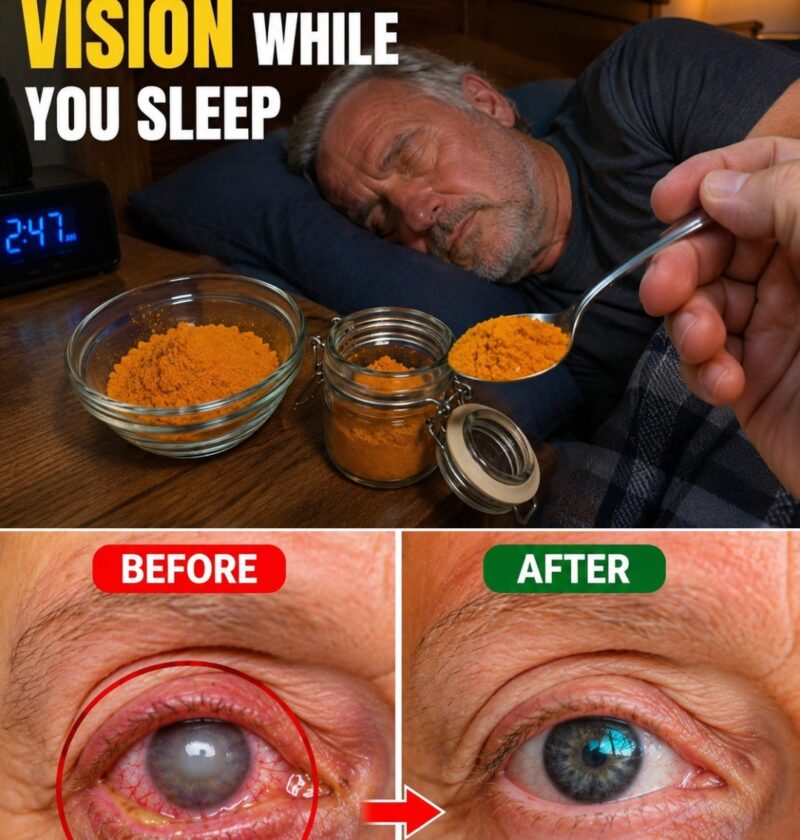
There is a growing trend online suggesting that eating certain foods before bed can instantly improve eyesight or “clear vision overnight.” However, scientific evidence does not support any food that can rapidly restore vision while sleeping.
What is supported by research is that certain nutrients may contribute to long-term eye health, including:
- Vitamin A for retinal function
- Lutein and zeaxanthin for macular support
- Omega-3 fatty acids for tear production
- Antioxidants that help reduce oxidative stress
These nutrients work gradually, not instantly, and are most effective when included consistently in a balanced diet.
🧬 Key Nutrients That Support Healthy Vision in Older Adults
🥕 1. Vitamin A-Rich Foods
Vitamin A is essential for maintaining normal vision, especially in low-light conditions. It supports the health of the cornea and retina.
Common sources include:
- Carrots
- Sweet potatoes
- Spinach
- Pumpkin
🥬 2. Lutein and Zeaxanthin Sources
These plant compounds are known as carotenoids and are naturally found in green vegetables. They help filter harmful blue light and support retinal health.
Good sources include:
- Kale
- Spinach
- Broccoli
- Peas
🐟 3. Omega-3 Fatty Acids
Omega-3s support tear production and may help reduce dry eye discomfort, which becomes more common with age.
Sources include:
- Salmon
- Sardines
- Walnuts
- Flaxseeds
🍊 4. Antioxidant-Rich Fruits and Vegetables
Antioxidants help protect eye cells from oxidative stress caused by aging and environmental exposure.
Examples include:
- Oranges
- Blueberries
- Bell peppers
- Tomatoes
🌙 Best Evening Eating Habits for Eye Wellness
Instead of focusing on a single “miracle food,” eye specialists recommend balanced evening nutrition habits such as:
🕰️ 1. Light, Nutrient-Dense Dinner
Avoid heavy, oily meals before bed. A lighter meal helps digestion and supports overall metabolic balance.
💧 2. Proper Hydration
Mild dehydration can contribute to dry eyes and discomfort, especially in older adults.
🥗 3. Include Leafy Greens at Dinner
Adding vegetables like spinach or kale supports long-term eye nutrition.
🚫 4. Avoid Excess Sugar Before Sleep
High sugar intake may contribute to inflammation and long-term health issues.
🧠 Why Eye Health Depends on Long-Term Habits
Vision health is not improved overnight by a single meal. Instead, it depends on consistent lifestyle habits such as:
- Balanced nutrition
- Regular eye checkups
- Protecting eyes from UV light
- Limiting screen strain
- Managing blood sugar and blood pressure
Healthy aging of the eyes is a gradual process influenced by overall lifestyle, not isolated nighttime foods.
🌿 Simple “Eye-Friendly Night Plate” Idea
A balanced dinner that supports eye health might include:
- Grilled fish or plant-based protein
- Steamed spinach or kale
- Sweet potato or brown rice
- A small serving of berries
This combination provides key nutrients that support long-term vision wellness.
⚠️ Important Medical Note
If someone experiences sudden vision changes, blurred eyesight, or eye pain, it is important to consult an eye specialist immediately. Nutrition can support eye health but cannot replace medical treatment.