Atorvastatin is one of the most commonly prescribed medicines worldwide because it effectively lowers “bad” cholesterol and helps prevent heart disease and stroke.
🧪 What it is
Atorvastatin belongs to a group of drugs called statins. These medicines work in the liver to reduce the production of cholesterol, especially:
- LDL (“bad” cholesterol)
- Triglycerides (in some cases)
and can slightly increase HDL (“good” cholesterol).
❤️ Why doctors prescribe it so often
It is commonly used for conditions like Hyperlipidemia, which can silently damage blood vessels over time.
Doctors prescribe atorvastatin to:
- Lower high cholesterol levels
- Reduce risk of heart attacks
- Prevent strokes
- Slow progression of artery blockage (atherosclerosis)
Even people who don’t feel sick may be prescribed it if their cardiovascular risk is high.
⚙️ How it works (simple explanation)
Atorvastatin blocks an enzyme in the liver (HMG-CoA reductase), which is responsible for making cholesterol.
Less production → less cholesterol in the blood → lower risk of artery blockage.
👤 Who usually takes it
It is commonly prescribed for people who:
- Have high LDL cholesterol
- Have diabetes (even with normal cholesterol in some cases)
- Have a history of heart disease or stroke
- Have multiple risk factors (smoking, high BP, obesity, family history)
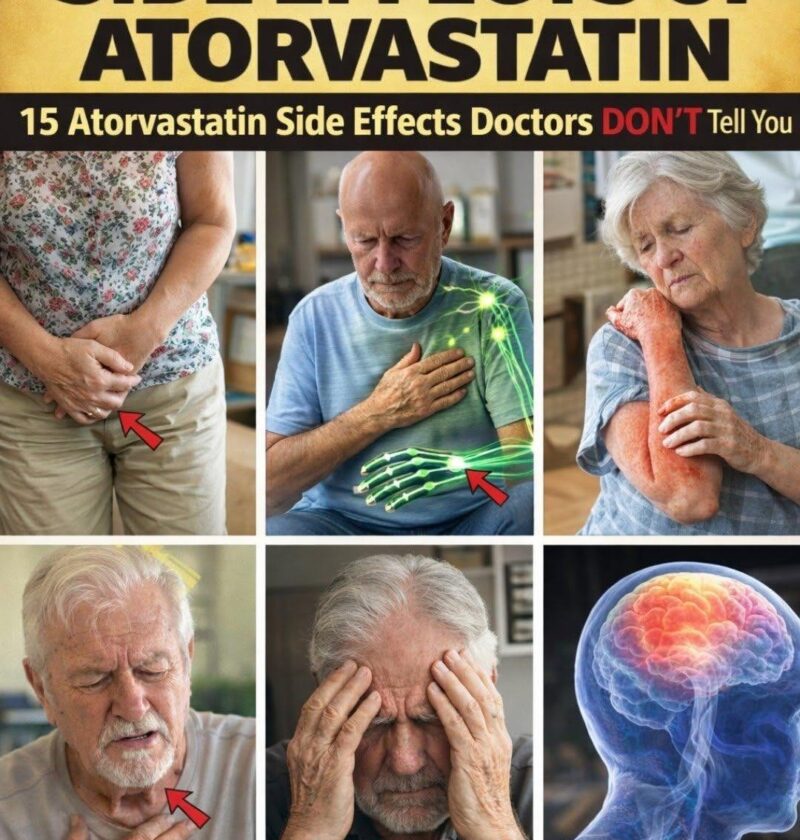
⚠️ Possible side effects (not everyone gets them)
Most people tolerate it well, but possible effects include:
- Muscle pain or weakness
- Mild digestive upset
- Rare liver enzyme changes
Severe side effects are uncommon but should be checked by a doctor if symptoms appear.
🧠 Key takeaway
Atorvastatin is widely used because it doesn’t just lower cholesterol—it reduces the actual risk of life-threatening cardiovascular events, which is why it’s considered a first-line preventive medication.
If you want, I can explain how long it takes to work, or natural ways people combine lifestyle changes with it for better results.