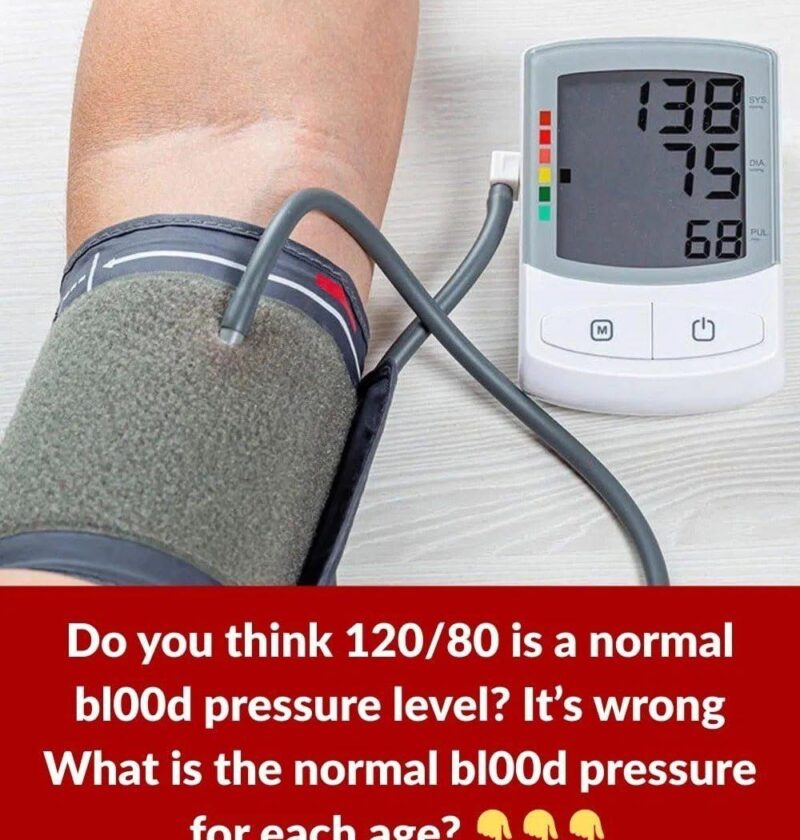
The idea that there is a single “normal blood pressure for each age” is not quite accurate. Blood pressure targets are based on overall health, medical history, medications, and risk factors, not age alone.
A general guide for adults:
| Age group | Common healthy blood pressure range |
|---|---|
| 18–39 years | Around 90/60 to below 120/80 mmHg is generally considered healthy |
| 40–59 years | Around below 120/80 mmHg is considered ideal |
| 60–79 years | Many healthy adults aim for below 130/80 mmHg, but targets vary |
| 80+ years | Goals are individualized based on health, mobility, and medical conditions |
Blood pressure categories (adults)
- Normal: Less than 120/80 mmHg
- Elevated: 120–129 and less than 80
- High blood pressure (Stage 1): 130–139 or 80–89
- High blood pressure (Stage 2): 140 or higher or 90 or higher
- Very high (hypertensive crisis): 180 and/or 120 or higher — especially urgent if symptoms occur
Remember:
- Blood pressure naturally changes throughout the day.
- Stress, exercise, caffeine, pain, and poor measurement technique can temporarily raise readings.
- Older age may increase the likelihood of high blood pressure, but high blood pressure is not simply a normal part of aging.
For a more accurate interpretation, share:
- Age
- Blood pressure reading (for example, 150/90)
- Any conditions such as diabetes, kidney disease, or heart problems.