8 Warning Signs of Stroke That May Appear Before It Happens — and 9 Ways to Help Reduce Your Risk
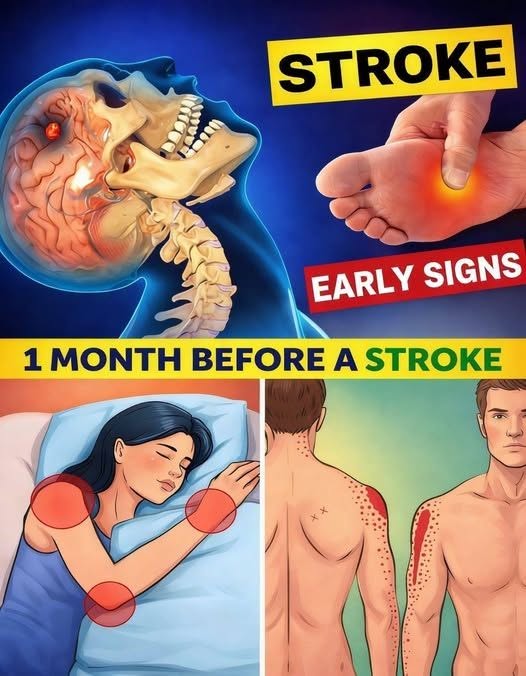
A stroke usually occurs suddenly, but some people may experience warning symptoms before a stroke, especially a transient ischemic attack (TIA)—sometimes called a “mini-stroke.” A TIA happens when blood flow to part of the brain is temporarily blocked and can be a warning sign of a future stroke.
A TIA can occur days, weeks, or even longer before a stroke, but there is no reliable set of symptoms that can predict a stroke exactly one month in advance. Any stroke-like symptoms should be treated as an emergency.
8 possible warning signs that should never be ignored
1. Sudden weakness or numbness
- Weakness, tingling, or numbness in the face, arm, or leg—especially on one side of the body.
2. Sudden trouble speaking or understanding speech
- Slurred speech.
- Difficulty finding words.
- Confusion during conversations.
3. Sudden vision changes
- Blurred vision.
- Loss of vision in one or both eyes.
- Double vision.
4. Sudden dizziness or loss of balance
- Trouble walking.
- Poor coordination.
- Feeling like the room is spinning.
5. Sudden severe headache
- A sudden, intense headache with no known cause may be a warning sign, especially if accompanied by other symptoms.
6. Facial drooping
- One side of the face may appear uneven or feel weak.
7. Difficulty swallowing
- Trouble moving food or liquids normally can sometimes occur with neurological problems.
8. Brief episodes of neurological symptoms that disappear
- Symptoms that resolve after minutes or hours may still indicate a TIA and require urgent medical evaluation.
Remember FAST
Call emergency services immediately if you notice:
- F — Face: Does one side of the face droop?
- A — Arms: Is one arm weak or numb?
- S — Speech: Is speech strange or difficult?
- T — Time: Call emergency help immediately.
9 tips to help prevent stroke
1. Control blood pressure
High blood pressure is one of the strongest risk factors for stroke. Regular monitoring and treatment are important.
2. Manage cholesterol levels
High cholesterol can contribute to artery blockage. Follow your healthcare provider’s recommendations for testing and treatment.
3. Keep blood sugar under control
Diabetes increases stroke risk. Monitoring glucose and following a treatment plan can help.
4. Stop smoking
Smoking damages blood vessels and significantly increases stroke risk.
5. Stay physically active
Regular movement—such as walking, swimming, or other activities suited to your health level—supports heart and blood vessel health.
6. Eat a heart-healthy diet
Focus on:
- Vegetables and fruits
- Whole grains
- Lean proteins
- Healthy fats
Limit excess salt, processed foods, and added sugars.
7. Maintain a healthy weight
A healthy weight can improve blood pressure, cholesterol, and blood sugar control.
8. Limit alcohol
Excess alcohol intake can raise blood pressure and increase stroke risk.
9. Take prescribed medications as directed
If you are prescribed medication for blood pressure, cholesterol, heart rhythm problems, or other conditions, taking it consistently can reduce risk.