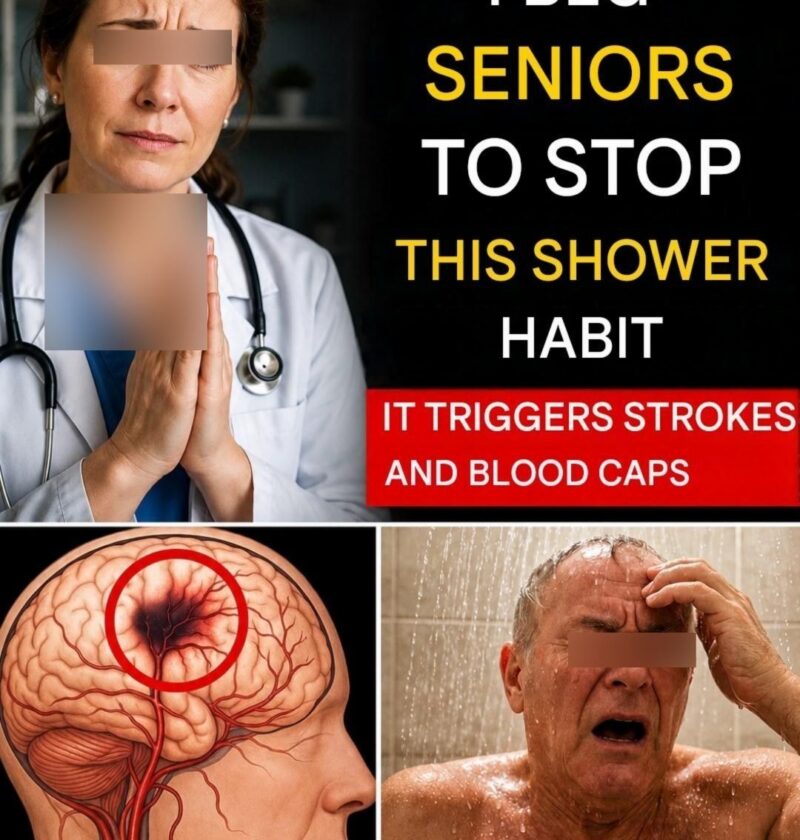
That headline is likely clickbait and not a medically established fact.
There is no strong scientific evidence that a normal shower habit by itself “increases the risk of stroke overnight.” Many viral “brain doctor shocked” videos exaggerate weak associations or use fear-based language to get clicks. (MedShun)
What can matter for some older adults is:
- Extremely hot showers or sudden temperature changes
- Standing up too quickly if prone to dizziness or low blood pressure
- Severe dehydration
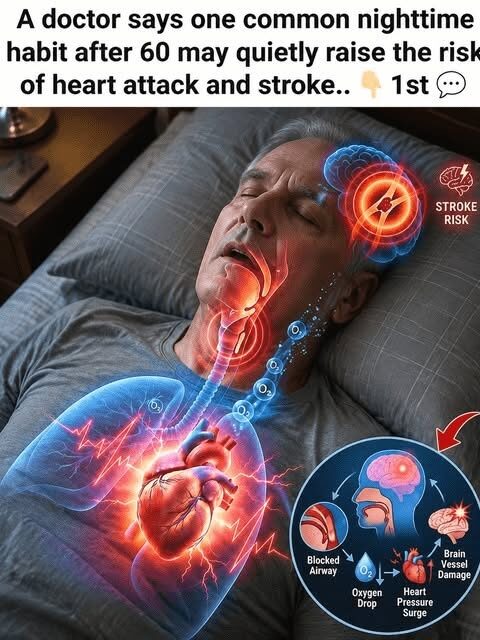
- Existing conditions like uncontrolled high blood pressure, heart disease, diabetes, or sleep apnea
Those factors may affect circulation temporarily, but they are not the same as saying showers cause strokes. The major proven stroke risks are high blood pressure, smoking, diabetes, obesity, atrial fibrillation, high cholesterol, inactivity, and heavy alcohol/drug use. (Mayo Clinic)
For seniors, sensible shower safety includes:
- Use warm rather than very hot water
- Avoid sudden cold-to-hot changes
- Stay hydrated
- Sit if feeling dizzy
- Don’t rush after waking up
- Monitor blood pressure if advised by a doctor
More important than shower timing is controlling real stroke risks:
- Blood pressure
- Blood sugar
- Cholesterol
- Exercise
- Sleep quality
- Smoking cessation
Also know the FAST warning signs of stroke:
- Face drooping
- Arm weakness
- Speech difficulty
- Time to seek emergency help
A stroke during sleep (“wake-up stroke”) can happen, but it’s linked to underlying medical risk factors—not ordinary showering. (healthline.com)