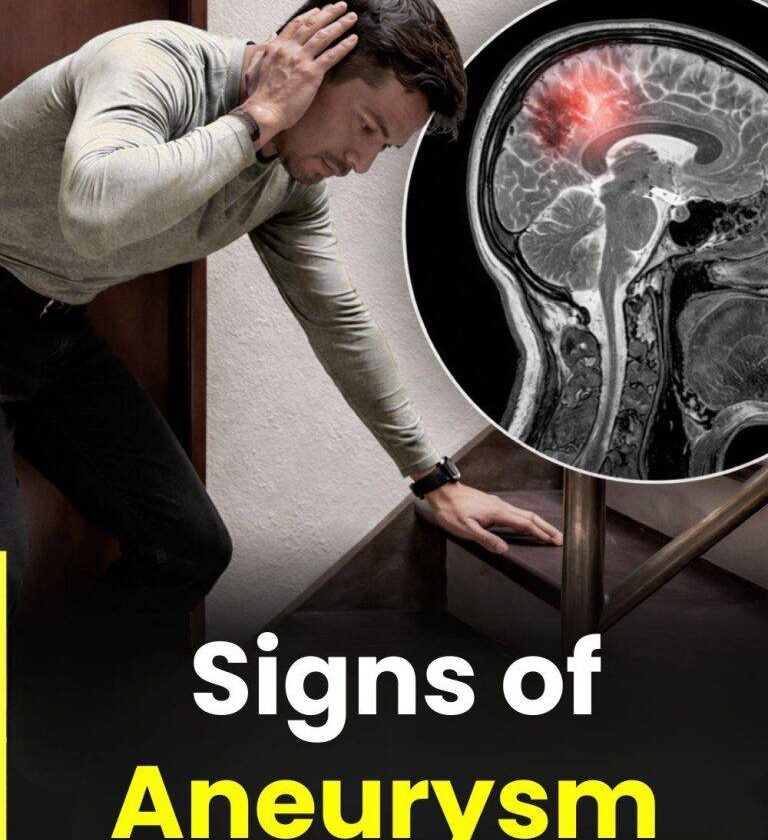
Aneurysm Symptoms, Risks, and When to Seek Help (~1500+ words, SEO-Optimized)
Introduction: What Is an Aneurysm?
An aneurysm is a serious medical condition where a blood vessel wall becomes weak and begins to bulge outward like a balloon. Over time, this weakened area can enlarge and, in some cases, rupture—causing life-threatening internal bleeding.
Aneurysm can occur in different parts of the body, most commonly in the brain (cerebral aneurysm) or the aorta (the main artery of the body).
Many aneurysms develop silently without symptoms, which is why awareness of warning signs is critical.
Why Aneurysms Are Dangerous
The main risk of an aneurysm is rupture. If it bursts:
- It can cause severe internal bleeding
- It may lead to stroke or organ damage
- It can become a medical emergency within minutes
Early detection significantly improves outcomes.
Types of Aneurysms
1. Brain Aneurysm (Cerebral Aneurysm)
Occurs in blood vessels in the brain.
2. Aortic Aneurysm
Occurs in the aorta, either in the chest or abdomen.
3. Peripheral Aneurysms
Occur in arteries of the legs or other areas (less common).
Early Warning Signs of an Aneurysm
Many aneurysms do not show symptoms until they grow large or rupture. However, some warning signs may appear.
1. Sudden, Severe Headache (Brain Aneurysm Warning)
One of the most important warning signs of a brain aneurysm is a sudden, extremely severe headache.
Characteristics:
- Often described as “the worst headache of my life”
- Comes on suddenly
- May be accompanied by nausea or vomiting
This may indicate bleeding in the brain and requires emergency care.
2. Vision Problems
An aneurysm near the brain’s optic nerves can cause:
- Blurred vision
- Double vision
- Loss of vision in one eye
- Drooping eyelid
3. Pain Above or Behind the Eye
Pressure from a growing aneurysm may cause localized pain:
- Behind the eye
- Around the forehead
- One-sided head pain
4. Neck Pain or Stiffness
In some cases, a leaking aneurysm may cause:
- Sudden neck pain
- Stiffness
- Sensitivity to light
5. Dizziness or Loss of Balance
Reduced blood flow or pressure changes in the brain may lead to:
- Vertigo
- Trouble walking
- Loss of coordination
6. Abdominal or Back Pain (Aortic Aneurysm Signs)
Abdominal aortic aneurysm
Symptoms may include:
- Deep, persistent abdominal pain
- Back pain between shoulder blades
- Pulsating feeling in the abdomen
7. Pulsating Sensation in the Abdomen
Some people may feel a strong heartbeat-like pulse in the stomach area, especially in abdominal aneurysms.
8. Shortness of Breath or Chest Pain
In chest-related aneurysms, symptoms may include:
- Chest tightness
- Difficulty breathing
- Pain in the back or chest
9. Sudden Collapse or Loss of Consciousness
If an aneurysm ruptures, symptoms can escalate quickly:
- Sudden fainting
- Severe pain
- Rapid drop in blood pressure
This is a life-threatening emergency.
Risk Factors for Aneurysms
Certain factors increase risk:
- High blood pressure
- Smoking
- Aging
- Family history of aneurysms
- Atherosclerosis (artery hardening)
When to Seek Emergency Help
Call emergency services immediately if you experience:
- Sudden severe headache
- Sudden chest or abdominal pain
- Vision loss
- Fainting or collapse
- Sudden neurological symptoms
How Aneurysms Are Diagnosed
Doctors may use:
- CT scan
- MRI scan
- Ultrasound (for abdominal aneurysms)
- Angiography
Early detection often happens during scans for other conditions.
Treatment Options
Depending on size and risk:
- Monitoring small aneurysms
- Blood pressure control
- Surgical repair or stent placement
- Lifestyle changes
Can Aneurysms Be Prevented?
While not all aneurysms are preventable, risk can be reduced by:
- Controlling blood pressure
- Avoiding smoking
- Eating a heart-healthy diet
- Regular exercise
- Managing cholesterol
Final Thoughts: Why Awareness Matters
Aneurysms are often silent but potentially life-threatening. Recognizing early warning signs and risk factors can help ensure timely medical care and significantly improve outcomes.
PART 2: Simple Warning Guide
Possible Signs of Aneurysm
- Sudden severe headache
- Vision changes
- Neck or eye pain
- Chest or back pain
- Abdominal pulsation
- Dizziness or fainting
Emergency Reminder
Seek immediate medical help if symptoms appear suddenly and severely.
If you want, I can also turn this into:
- A viral SEO blog (“silent killer warning signs explained”)
- A YouTube medical script
- Or a comparison article: aneurysm vs normal headache symptoms explained simply